

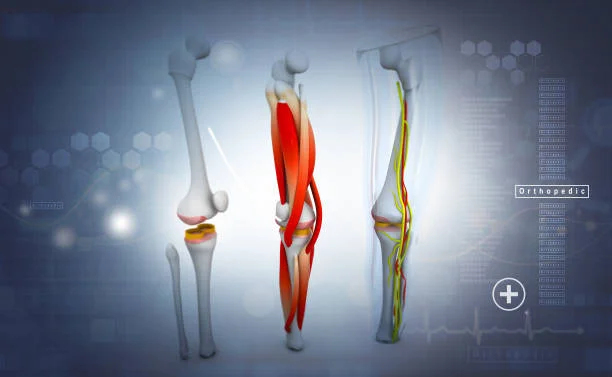
Knee pain has a way of sneaking into everyday moments. A sudden twist during a jog, an awkward landing during a game, or even climbing stairs can turn into a lasting ache or Knee Cartilage Injuries. When this happens, it often raises a worrying question, what if it’s more than just soreness?
Cartilage injuries in the knee are more common than most realize. They affect people of all ages and activity levels, from athletes to those who simply enjoy staying active. The pain, swelling, and stiffness can make even simple movements uncomfortable, leaving many wondering how to regain comfort and confidence in their knees.
Finding the right treatment often depends on understanding the difference between what can heal naturally and what may require medical intervention. Whether it’s a mild sprain or a complex meniscus injury treatment, the right approach can make a significant difference in recovery and long term joint health.
Non Surgical Treatments: Gentle Healing First
For many people, the first step in recovery starts with conservative care. Most knee cartilage injuries don’t need surgery right away, and doctors often recommend trying non surgical methods first. These treatments work to relieve pain, reduce swelling, and support natural healing over time.
Rest and Rehabilitation
Resting the injured knee allows the body to begin the healing process. This usually means avoiding activities that strain the joint, such as running, jumping, or carrying heavy loads. Rest doesn’t mean complete immobility, though. Gentle movement and guided physical therapy keep the joint flexible and reduce the risk of stiffness, which is crucial for a full recovery.
Rehabilitation plays a big part in restoring balance and strength. Physical therapists design exercises that target the surrounding muscles to support the knee without putting excessive strain on the injured area. Over time, this improves stability and mobility while lowering the risk of further injury.
Medication and Supportive Care
Pain relief and inflammation management are also key in early treatment. Nonsteroidal anti-inflammatory drugs, commonly known as NSAIDs, help ease discomfort and swelling, making it easier to move and participate in therapy. For some, wearing a knee brace offers added support, especially during daily movements that may strain the joint.
Braces do not cure cartilage damage, but they can reduce stress on the knee and support proper alignment. Using ice after physical activity or therapy sessions can also help control inflammation and prevent fluid buildup in the joint.
Regenerative Techniques
Advances in orthopedics have introduced techniques that support the body’s natural ability to repair cartilage. Methods like platelet rich plasma (PRP) injections and stem cell therapy use the body’s own biological materials to stimulate repair in areas that normally heal very slowly.
Although results may vary, many patients experience gradual improvement in pain and function. These treatments are gaining popularity because they are minimally invasive and can help delay or reduce the need for surgery.
Surgical Treatments: Repairing and Restoring Structure
When non surgical treatments fail to relieve pain or restore mobility, surgery may become the next step. The goal is to repair or restore damaged cartilage to regain normal knee function. The exact procedure depends on the extent of the injury and the patient’s overall health and lifestyle.
Arthroscopic Surgery
One of the most common surgical methods for cartilage injuries is arthroscopy. This technique uses small incisions and a camera to examine and treat the inside of the knee. Surgeons can remove loose pieces of cartilage, smooth rough surfaces, or repair torn areas directly.
Arthroscopy is often preferred because it involves smaller incisions, quicker recovery, and a lower risk of complications. Patients usually return home the same day and start gentle physiotherapy soon after, though full recovery can still take several months.
Cartilage Restoration Procedures
For more severe injuries, surgeons may perform restoration techniques that aim to regenerate or replace damaged cartilage. Microfracture surgery, for instance, stimulates the bone beneath the damaged cartilage to produce new tissue. Autologous chondrocyte implantation (ACI) goes a step further by using a patient’s own cartilage cells, which are grown in a lab and later implanted back into the knee.
These procedures are often recommended for younger or more active patients who aim to maintain long term joint function and activity levels. Though recovery may take longer, the results can be highly rewarding, including improved movement, reduced pain, and better joint function.
Meniscus and Ligament Reconstruction
In cases where the cartilage damage is associated with a meniscus or ligament tear, surgical reconstruction may be needed. The meniscus acts as a shock absorber for the knee, and once damaged, it can lead to further joint deterioration if left untreated.
Repairing or reconstructing the meniscus helps maintain knee stability and reduce the risk of future joint degeneration. Sometimes, a combination of non surgical and surgical treatments provides the most effective outcome, improving long term joint health while minimizing downtime.
Finding the Right Path Forward
Choosing between non surgical and surgical options depends on more than just the severity of the injury. Age, activity level, daily routine, and personal goals all influence the best treatment approach. Some people may recover completely with physical therapy and careful self care, while others might need surgery to regain full function.
The most important step is consultation with a qualified orthopedic specialist who can evaluate the condition using imaging and physical assessment. With the right diagnosis and a tailored treatment plan, patients can gain confidence knowing that recovery is achievable.
Knee cartilage injuries can feel discouraging at first, but today’s treatment options, both non surgical and surgical, make it possible to return to daily life with strength and comfort. With patience, proper guidance, and consistent care, healing the knee isn’t just about regaining movement. It’s about rebuilding confidence in the body.
Similar minds think alike. Check out this relevant deep-dive at The Tipsy Gypsies.