

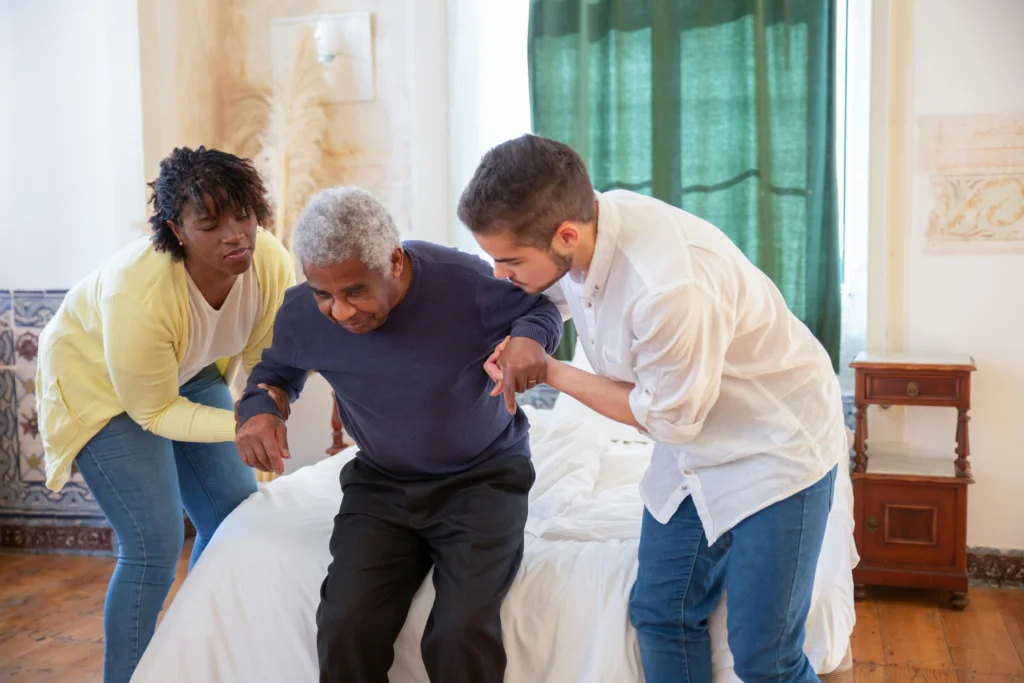
Chronic disease management in home health focuses on providing ongoing care and support for individuals dealing with long-term health conditions in the comfort of their own homes. It brings together clinical supervision, everyday support, and tailored care approaches to help individuals stay stable and reduce the risk of complications.
The growing need for such care is clear. More than nine out of ten adults aged 65 and older live with at least one ongoing health condition, according to CDC data. More than 75% of adults aged 35–64 and 60% of those aged 18–34 are also affected, highlighting the importance of accessible home-based care.
In this article, we will explore how chronic disease management works in home health and who can benefit the most from it.
Understanding Chronic Disease Management in Home Health Settings
Chronic disease management in home health settings focuses on delivering continuous, personalized care for individuals managing long-term conditions within their own homes. A home health care agency coordinates both medical and non-medical support, ensuring patients receive comprehensive assistance tailored to their needs.
This often includes regular health monitoring, medication management, and patient education to promote better self-care. Care teams also work closely with physicians and families to maintain consistency in treatment.
As highlighted by Home Advantage, quality home health care extends beyond clinical support by promoting dignity, independence, and comfort at home. For many patients, services may also be covered under Medicare, Medicaid, or Medicare Advantage plans, making care more accessible.
Key Components of Effective Home-Based Chronic Care
Effective home-based chronic care depends on a structured approach that addresses both medical needs and daily living challenges. According to PubMed Central, five core elements shape effective care delivery in these settings. These include whole-person assessments, patient-centered care planning, and direct support to help manage daily health needs.
Care coordination ensures communication between providers, caregivers, and families remains consistent and well-organized. Ongoing evaluation and monitoring help track progress and adjust care plans as conditions change.
Combined, these elements form a well-rounded approach that leads to improved results. This approach allows individuals to manage chronic conditions more effectively while maintaining comfort and independence at home.
Role of Skilled Professionals in Home Health Care
At-home support for people with chronic illnesses is delivered through a coordinated effort of nurses, therapists, and caregiving staff. Their role goes beyond clinical tasks, also covering help with everyday activities and daily routines.
According to the U.S. Bureau of Labor Statistics, aides help with personal tasks such as bathing, dressing, and maintaining hygiene. They also manage everyday chores like cooking, housekeeping, and washing clothes to keep the home environment clean, safe, and comfortable.
In addition, they organize schedules, coordinate appointments, and arrange transportation when needed. Supporting social interaction is another key aspect of their role. This coordinated approach helps individuals stay consistent with care plans and manage their conditions more effectively.
Individuals Best Suited for Home-Based Chronic Care Support
Older adults with multiple chronic conditions, mobility limitations, or recent hospitalizations often benefit the most from home-based care. As highlighted by Health.com, signs such as behavioral changes may indicate the need for support. These can include mood swings, confusion, or withdrawal from activities.
Cognitive challenges like memory loss, missed medications, or difficulty managing routines also play a key role. Physical changes, including weight loss, poor hygiene, or difficulty with movement, further signal concern. People dealing with conditions such as heart disease, diabetes, or respiratory disorders benefit greatly from regular and consistent monitoring.
Home-based care provides the supervision and assistance needed to manage these challenges more safely and effectively.
Advantages of Home Health Chronic Care Programs
Home health chronic care programs offer a more personalized and comfortable approach to managing long-term conditions. Receiving support in a home setting can reduce the need for hospital visits while helping individuals stay more self-reliant in their daily lives.
An MDPI study highlights that integrated care models combining nursing and geriatric services improve coordination and reduce hospital need. Interdisciplinary teams are especially effective in lowering hospital admissions during early follow-up periods for older adults. These programs also support aging in place and provide better continuity of care.
With consistent monitoring and coordinated support, individuals can manage symptoms more effectively. This approach supports better health outcomes while enabling individuals to remain in a familiar environment where they can receive the assistance they require.
Challenges and Considerations in Home-Based Care
Access to consistent and reliable care can be a major challenge in home-based chronic disease management. Availability of skilled caregivers and specialized care services varies by location, meaning not everyone has equal access.
Coordinating care between multiple providers, caregivers, and family members can also become complex over time. Cost and insurance coverage may limit the availability of certain services for some individuals.
Family members often take on additional responsibilities, which can lead to stress or caregiver burnout. Maintaining clear communication and consistent updates is crucial to prevent disruptions in care. Overcoming these challenges depends on thoughtful planning, effective coordination, and reliable support networks.
Frequently Asked Questions
In what ways does chronic disease management differ from regular home care services?
Chronic disease management focuses on ongoing monitoring, treatment, and coordination for long-term health conditions. Conventional home care is largely centered on assisting with routine activities like personal hygiene, cooking, and general household upkeep. It does not include the same level of medical oversight or condition-specific care planning.
Can patients switch providers if their needs change?
Yes, patients can switch home health providers if their needs, preferences, or care requirements change. It’s important to review contracts, insurance coverage, and continuity of care to ensure a smooth transition without disrupting treatment or ongoing support services.
Which questions should families consider asking before selecting a care provider?
Families should ask about staff qualifications, services offered, care plan customization, availability, emergency support, and communication methods. It’s also important to understand costs, insurance coverage, and how the provider coordinates with doctors and handles changes in patient needs.
Making Informed Choices for Better Home-Based Care
Chronic disease management in home health offers a practical and supportive way to handle long-term conditions without leaving the comfort of home. With the right combination of skilled professionals, structured care plans, and ongoing monitoring, individuals can manage their health more effectively.
While there are challenges such as access, cost, and coordination, the benefits often outweigh the limitations when care is well-organized. Selecting a suitable provider and maintaining clear communication can greatly influence the results.
With proper support, home-based care can enhance independence, improve quality of life, and provide a more stable approach to managing chronic conditions.
The rabbit hole goes deeper. Care to see how this evolves at The Tipsy Gypsies?