

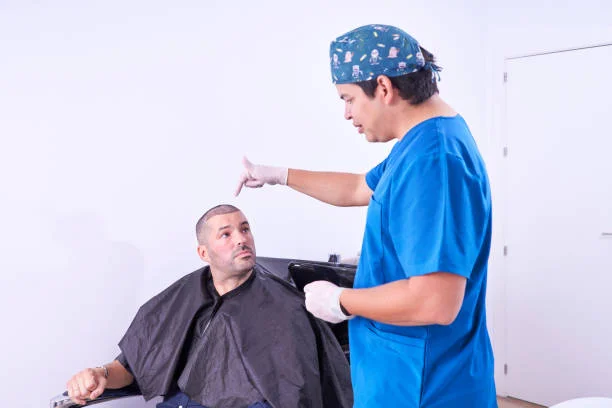
If you are thinking of going through a hair transplant, feeling a bit of curiosity and anxiety is perfectly understandable in connection with the post-operative period. If you know beforehand what is going to happen during the healing process, then the whole experience can be less stressful.
What follows is a detailed description of the healing process after hair transplantation. It is worth mentioning that the healing time varies with the technique used (whether FUE or FUT), the individual’s health, and their lifestyle. The given timeline helps you to envision the situation of the majority of patients quite realistically.
The First 24–72 Hours: The Transplanted Grafts Are Being Protected
Directly after the operation, the scalp is going through a very care-sensitive treatment, which consists mainly of light dressings, that are meant to keep the newly grafted hair safe and at the same time to minimize the swelling. A weak pain, tightness, or tenderness in both areas – the one from which hair has been taken and the one where hair has been implanted – are usually experienced during this period.
The healthcare crew might suggest some over-the-counter analgesics or anti-inflammatories to you to ease the pain and also to allow the swelling to subside. The patient should really do nothing other than relax and take it easy for the first few days. Hence, they should completely avoid physical activities, sudden movements, and anything else that could lead to an increase in their blood pressure in order to facilitate the healing process.
See the story from a new angle with this article that complements your last read.
Days 4–7: Healing and Scalp Care This time the
As the scalp begins to heal, tiny scabs and crusts may develop around the hair implanted follicles. This is a normal, temporary part of the healing process. You should avoid touching, scratching, or removing these scabs to keep the grafts secure.
Facial swelling, especially around the forehead or eyes, may peak during this time before slowly going down. Patients receive detailed aftercare instructions, including how to gently clean the scalp, when to resume regular hair washing, and which products to avoid.
Weeks 2–4: Adjustment and Recovery Phase
Temporary hair shedding: It is typical that the transplanted hair shed during the first month. Though this might be alarming, it is still an automatic biological reaction. The hair roots are alive and well beneath the skin, and they will start to grow new hair in the coming months.
Lingering redness: A few patients might experience some minor redness or sensitivity in the areas where they were treated, and this might last for some weeks. Generally, it gets worse then fades away as the scalp heals more and more day by day.
Return to normal routines: A good number of people can return to their jobs, social life, and light exercise in a week or two, depending on their healing process and the extent of the procedure.
Months 3–6: Visible Growth Begins
This period signifies the start of visible enhancement. The new hair is expected to sprout between the third and sixth month after the transplant. The hair might appear very thin or less in number at first, but this is just a stage in the natural growth cycle.
Slowly but surely the hair will be thicker, stronger, and the texture will be more uniform. The medical team will have follow-up visits during this period to check your progress, provide reassurance, and make adjustments to post-treatment care if needed.
After 12 Months: Long-Term Results Take Shape
Most of the time, after one year, the majority of patients can notice the actual outcomes of their hair transplant. The implanted hair is still growing and by now has become thick enough and has perfectly blended with the natural hair for an unnoticeable appearance.
Based on the severity of future hair loss and individual aspirations, further grafting or maintenance treatments might be recommended to preserve and possibly enhance the results over time.
Ongoing Support and Expertise at Asmed Hair
Although recovery timelines vary, many patients begin to see early results within a few months, with full transformation taking a year or more. At Asmed Hair, our commitment to your journey doesn’t end after surgery.
Our experienced team is dedicated to personalized care, ongoing follow-up, and clear communication throughout the recovery process. With expert guidance and tailored support, we help our patients achieve lasting, natural-looking results and renewed confidence in their appearance.
Discover more perspectives and ideas waiting for you beyond this current article.