

Unique Geography
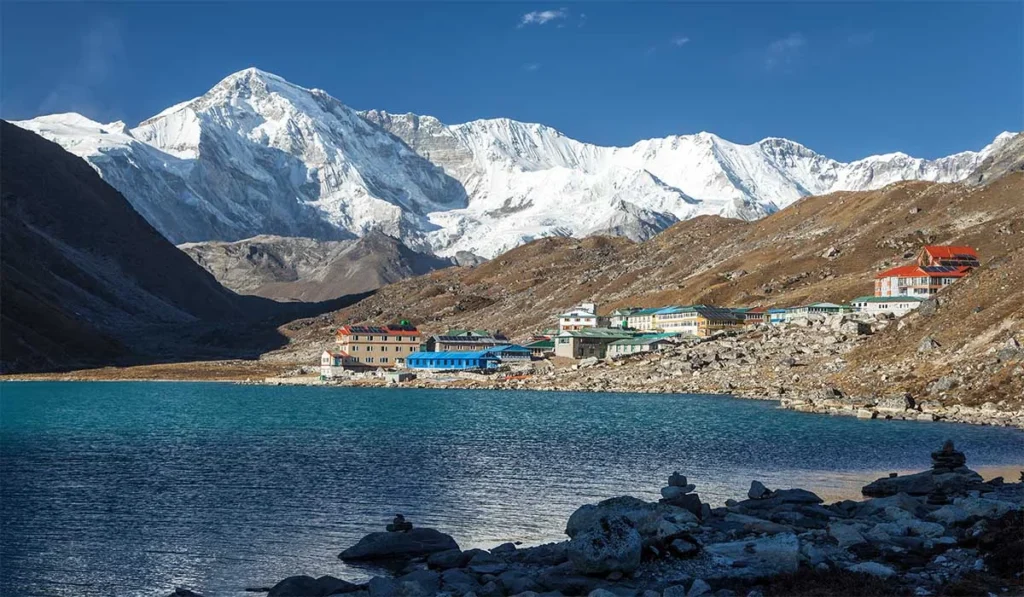
Nepal has one of the most diverse landforms in the world. This makes it suitable for various adventures. It mainly has three regional belts, namely the fertile terai, lush green hills, and the majestic himalayas. Similarly, the climate and ecosystems change significantly over a short distance.
The northern region is covered by the majestic snow-covered himalayas, such as Everest, Dhaulagiri, Machhapuchre, Lhotse, Kanchenjunga, etc. Similarly, it has glaciers, mountain passes, glacial rivers, and icefalls, providing an ideal environment for high-altitude treks. Similarly, right beneath the mountains, the alpine valleys and ridgelines form scenic routes.
Moving towards the southern region, the terrain shifts to deep forest, terraced farmlands, fast-flowing rivers, and gorges. This section presents the cultural journeys through the traditional villages of Nepal. Travellers can observe different ethnic groups, their traditions, heritage, and century-old beliefs.
Additionally, they can engage in thrilling activities like paragliding, bungee jumping, and ziplining. Rivers like the Trishuli and the Bhotekoshi create rafting and kayaking opportunities. Lastly, the terai has grasslands and dense jungles. This makes an ideal environment for wildlife exploration, safaris, photography, and birdwatching.
Thrilling Himalayan treks
Nepal is a dream trekking destination for many travelers from around the world. The high-altitude treks combine dramatic terrains and bring opportunities to explore the culture and traditions of several ethnic groups. From the classic treks to more remote and rugged ones, Nepal is suitable for beginners and experienced trekkers.
The Everest region remains at the top for high-altitude journeys. Beginners prefer the Everest Base Camp Trek. This is due to the well-established trails and the comfortable logistics available. Whereas the Everest Three High Passes Trek provides a more challenging experience.
Similarly, the Annapurna is another famous destination, known for its diverse landscapes and classic circuits. The classic treks of the region, such as the Annapurna Circuit and Base Camp, pass through alpine meadows, river valleys, and vibrant forests. Similarly, trekkers get to observe the rich traditions of the Gurung and Thakali villages.
Other than these classic routes, Nepal has numerous trekking regions that offer a more secluded experience, passing through remote trails. Some of them are mentioned below.
- Kanchenjunga
- Makalu
- Manaslu
- Dolpo
- Rolwaling
- Helambu
- Dhaulagiri
- Rara
Peak Climbing And Expedition Opportunities
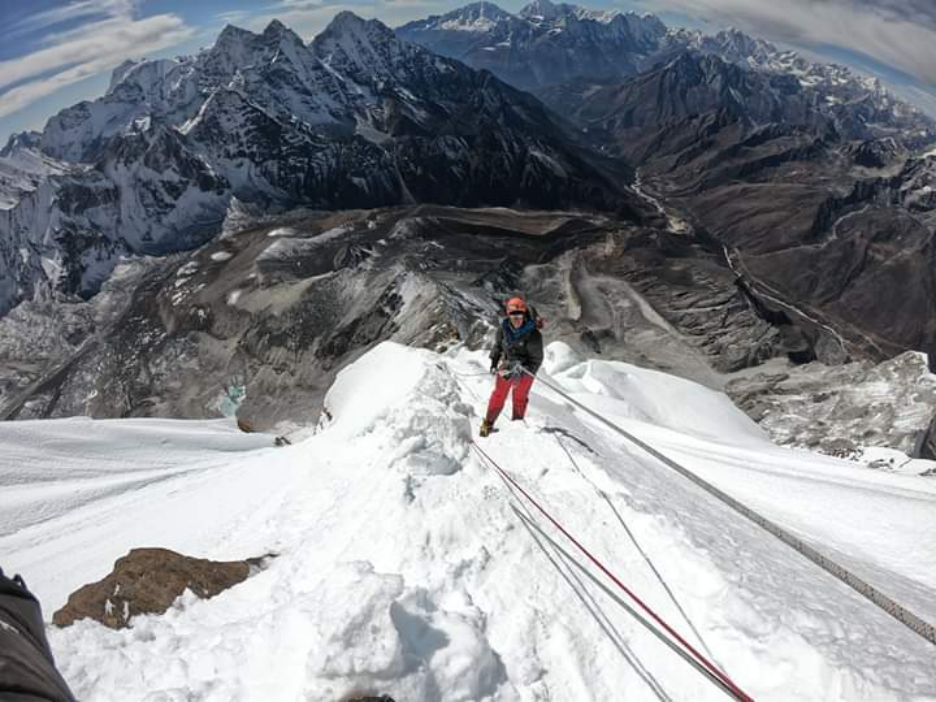
Nepal is more than just walking through scenic villages and observing panoramic views. The country is home to more than a hundred peaks that accept climbers. Moreover, whether you are looking for an introductory mountain climb or advanced expeditions, Nepal has it all.
There are around 50 trekking peaks in Nepal. They fall under the 6,500-meter mark and require basic climbing skills. Therefore, Island Peak Climbing and Lobuche East Peak Climbing are perfect for first-time climbers looking to start their mountaineering journey.
Additionally, Nepal presents technical climbs like the Ama Dablam Expedition, the Pumori expedition, and the Tilicho peak expedition. These climbs require more advanced skills, such as glacier travel, and they should be familiar with belay devices, slings, ice axes, and quickdraws.
Furthermore, the country is home to eight of the fourteen tallest mountains in the world, and all of them are open for expeditions. So, for experienced climbers who want to add to their achievements, Nepal is a perfect place to do so.
Protected Areas And Safaris
There are more than 20 national parks, conservation areas, and wildlife reserves in the country. Their primary motive is to safeguard the flora and fauna. Visitors are allowed to explore rare wildlife in their natural habitats. Similarly, travelers can go on a guided safari led by an experienced guide. These are safer than solo exploration, as the guide understands terrains and animal behavior.
Additionally, they make a strategic schedule, increasing the probability of animal sightings. You will also learn fascinating facts and educational insights about the flora and fauna at the same time. The table below shows three of the most famous national parks of Nepal, with the animals they shelter.
| Chitwan National Park | Bengal tigers, One-Horned Rhinos, Elephants, Gharial Crocodile, Gaur Bison, Sloth Bears, Leopards, etc., and more than 500 species of birds. |
| Sagarmatha National Park | Musk Deer, Langur Monkey, Wild Yak, Himalayan Tahr, Red Panda, Himalayan Black Bear, Snow Leopard, etc., and over 100 species of birds. |
| Bardia National Park | Royal Bengal Tigers, One-Horned Rhinos, Elephants, Swamp Deer, Gharials, Mugger Crocodiles, etc., and over 400 species of birds. |
Adventurous activities
Nepal offers numerous thrilling sports for adrenaline junkies, ranging from water to land and in the sky. Likewise, it has numerous glacial-fed, fast-flowing rivers that provide world-class rafting experiences. The hilly region presents spectacular paragliding opportunities. In Pokhara, particularly around the Sarangkot area, you will have the opportunity to fly above the stunning Phewa Lake.
Moreover, Nepal has the highest bungee jump in Asia (The Last Resort). You jump right over the Bhote Koshi river gorge from 160 to 166 meters in height. Skydiving in Nepal is one of the most exciting ways to observe dramatic terrain. One of the world’s longest ziplines, Zipflyer in Pokhara, goes through steep descents and allows for observing the panoramic views of the himalayas and Phewa Lake.
Here is a list of all the adventurous activities available in Nepal, from land to air.
Adventures On Land
- Peak climbing/Mountain expedition
- Trekking
- Mountain biking in the hills, valleys, and high-altitude trails
- Rock and Ice climbing
Water Sports
- White-water rafting
- Kayaking
- Canyoning
- Boating and Stand-Up Paddleboarding (SUP)
Adventures In Air
- Paragliding
- Bungee Jumping
- Hang gliding
- Skydiving
- Ziplining
- Hot air balloon
- Ultra-light flight
- Helicopter tours