

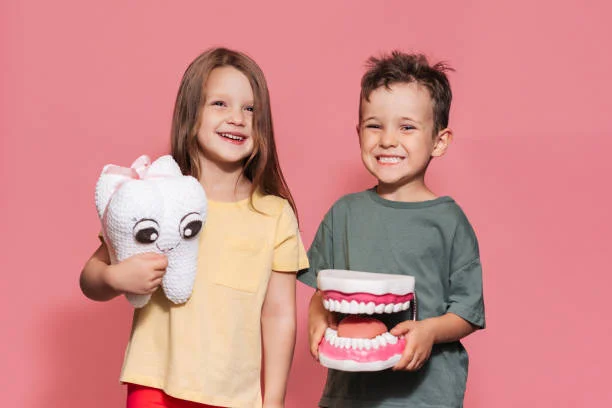
Teaching children to care for their teeth is about more than just preventing cavities—it’s about instilling habits that support lifelong health. Early oral hygiene shapes the way kids approach self-care, confidence, and nutrition. When parents make dental routines engaging and educational, children are more likely to develop positive attitudes toward brushing, flossing, and visiting the dentist.
Why Early Dental Care Matters
Primary teeth are more than placeholders for adult teeth. They aid speech development, support proper jaw alignment, and influence a child’s overall health. Neglecting oral care can lead to pain, infection, and difficulty chewing, which can affect nutrition and self-esteem. Introducing dental hygiene early allows children to form strong, healthy habits that last into adulthood.
Using age-appropriate toothbrushes, a small amount of fluoride toothpaste, and gentle brushing techniques ensures safety and effectiveness. Parents should supervise until children can brush thoroughly on their own, turning routines into consistent, positive experiences.
Making Brushing and Flossing Enjoyable
Turning oral care into play helps children stay motivated. Creative strategies include using colorful, character-themed toothbrushes, brushing along with a favorite song, or timing brushing sessions with a fun two-minute hourglass.
Reward systems, like sticker charts, encourage consistency, while playful storytelling—such as imagining brushing away “sugar bugs”—gives children a purpose behind each action. These methods reinforce habits without pressure, making oral hygiene a positive, empowering activity.
Learning Through Interactive Play
Hands-on activities are excellent for teaching children why dental care matters. Role-playing visits to the dentist, using clay to model teeth, or showing how plaque forms with colored water are memorable ways to make oral health tangible.
This approach aligns with the evolving demands in children’s dentistry, which increasingly focuses on education and engagement rather than fear or compliance. Children absorb lessons more effectively when learning is interactive, encouraging long-term understanding and responsibility.
Healthy Eating and Its Impact on Teeth
A child’s diet directly affects dental health. Foods rich in calcium and vitamins strengthen teeth, while limiting sugary snacks and drinks helps prevent cavities. Parents can involve children in choosing and preparing tooth-friendly meals, making the connection between nutrition and oral health tangible.
Simple activities, such as creating a “healthy teeth plate” or tasting new fruits and vegetables, help children make informed choices while reinforcing the importance of care. Understanding the consequences of diet empowers kids to take ownership of their dental health.
Making Dental Visits Positive Experiences
Many children fear the dentist, but preparation and familiarity can ease anxiety. Introducing the idea through books, videos, or role-play can make appointments feel safe and routine. Highlighting the fun and helpful aspects—like getting a shiny clean smile—frames visits positively.
Choosing a child-friendly dental clinic with engaging environments, friendly staff, and educational tools encourages children to view appointments as normal rather than intimidating. Early exposure helps establish a lifelong habit of regular check-ups.
Reinforcing Consistent Habits
Consistency and positive reinforcement are key to building lasting oral hygiene habits. Daily routines, praise for milestones like mastering flossing, and modeling good practices reinforce learning. Children who see adults actively caring for their own teeth are more likely to emulate these behaviors.
Incorporating learning beyond the bathroom, through books, games, or interactive resources, makes oral care part of a broader educational experience. These activities allow children to understand and practice skills, linking fun with responsibility.
Leveraging Technology for Engagement
Digital tools can motivate children to maintain oral hygiene independently. Apps that track brushing, interactive videos, and gamified challenges combine education with entertainment. Children are encouraged to brush effectively while enjoying the experience.
Technology also allows parents to monitor progress and celebrate achievements. When balanced with real-life practice and creative activities, digital tools strengthen habits without replacing hands-on learning.
Encouraging Lifelong Oral Health
By combining fun, education, and consistent practice, parents can instill habits that lead to strong, healthy teeth for life. Early involvement, positive reinforcement, and interactive learning transform dental care from a chore into an empowering routine.
Parents can further enhance this learning by exploring educational activities for children that combine play with skill-building, complementing everyday oral care routines.