

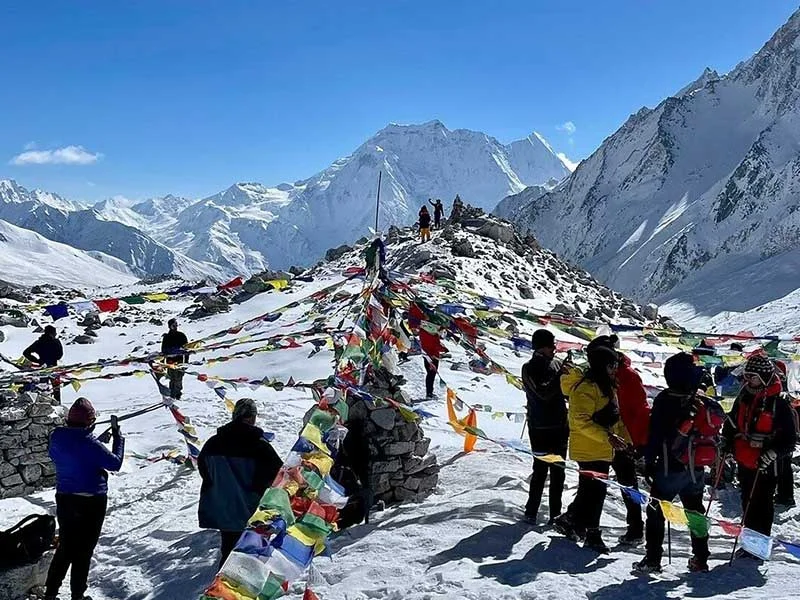
If one factor determines the outcome of your Manaslu Circuit trek, it is altitude. It defines the landscape that you tread on, it sets your walking pace, and decides whether you cross the pass or return. Rising elevation is the real challenge that can make or break your trek.
Many trekkers underestimate the altitude, but on Manaslu, everything revolves around how your body copes with the rising elevation. As such, the role of acclimatization is important. The truth is simple: on the Manaslu Circuit trek, your success depends less on strength and more on how well you adjust to thin air.
How Altitude Builds on the Manaslu Circuit
The Manslu route begins with a gradual and almost gentle ascent, which often feels easy at first. It builds slowly, unlike the aggressive start you need to make in the case of the Everest region. However, it offers fewer natural acclimatization pauses.
The elevation timeline generally looks like this:
Machha Khola (930m): You start in the subtropical region. It is hot, humid, but without risk of altitude.
Namrung (2,630 m): This is usually the first time point where trekkers notice a slight shortness of breath or mild headaches.
Samagaun (3,530m): This is the most important acclimatization stop of the trek.
Samdo (3,860m): Mind symptoms of altitude sickness often become distinct at this point for some trekkers, as you are now truly high up.
Dharamshala / Larke Phedi (4,480m): The air is very thin here, and this is the highest risk zone for altitude sickness.
Larke Pass (5,160 m): It is the apex of the Manaslu Circuit trek, and also gives trekkers the hardest physical challenge.
The Manaslu Circuit trek itinerary supports gradual adaptation only if you go slowly. Many cases of altitude sickness or Acute Mountain Sickness (AMS) happen because trekkers rush through Samdo and Dharamsala, where altitude gains become steep, and oxygen levels drop sharply.
Why Manaslu Altitude is Tougher
Manaslu is more remote, more exposed, and offers fewer places to recover if symptoms of altitude sickness appear, as compared to the Annapurna or Everest.
The altitude feels stronger on this route, even though Manaslu is not the highest trek in Nepal. Here is why:
Fewer Rescue Options: Rescue options are limited in this restricted region. So, decisions must be made early, even before symptoms escalate, to get timely emergency care.
Colder, Windier Nights: Expect brutally cold and windier nights in Samagaun, Samdo, and Dharamsala. As such, your blood vessels can constrict, and this can worsen altitude symptoms.
Faster Ascent to High Camp: Once you leave Samdo, there is a rapid gain in altitude. Trekkers often reach Dharamsala exhausted, which makes recovery harder. And because you sleep at nearly 4,500 meters, your body gets very little rest.
Long Grind of Larke Pass: The high altitude combined with strong winds, long walking hours, and minimal oxygen levels makes the pass day the toughest.
Identifying Symptoms of Altitude Sickness
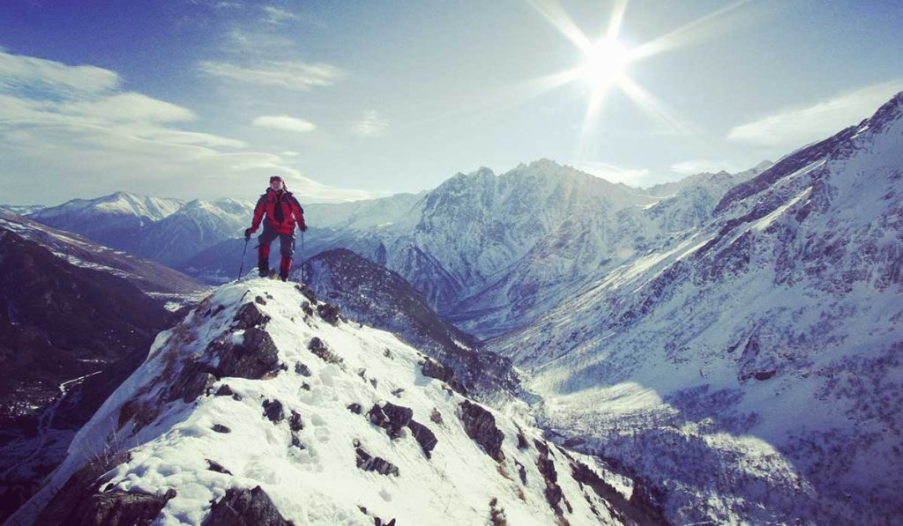
Most trekkers experience at least one symptom by the time they reach Samagaun or Samdo. Here are some of the earliest and most common ones:
- A dull, manageable headache
- Loss of appetite
- Sleep is fitful or light
- Fatigue despite easy walking
- Breathlessness on small ascents
- Mild nausea
These are not dangerous and are manageable on your own. However, the following symptoms are NOT normal and require an immediate stop:
- A splitting headache that painkillers won’t touch
- Vomiting
- Confusion or difficulty walking in a straight line
- Shortness of breath even when you are resting.
- Severe fatigue
Ignoring these signs leads to altitude emergencies at Dharamsala.
How to Acclimatize
Lower the risk of altitude sickness by adhering to a disciplined routine that incorporates the rules of acclimatization.
Two Nights in Samagaun: It is mandatory because Samagaun is the most important acclimatization stop. Spending two nights here helps your body adapt before you push higher to Samdo. Use the rest day to hike to Birendra Lake (4,150m) or Manaslu Base Camp (4,800m) and return to sleep at Samagaun (3,530m).
One Night in Samdo: Spending a night here bridges the gap between the village level and the high camp level. A short acclimatization hike here during the afternoon is helpful.
Hydrate Religiously: You might not feel thirsty, but you are already dehydrating at higher elevations. That is because the dry air sucks moisture out of your every breath. Therefore, consume up to 4 liters of fluid a day. This can be anything from plain water to tea or garlic soup.
Eat Enough Carbs: Dal Bhat isn’t just a cliché. It genuinely helps at altitude. Your body uses carbohydrates efficiently in low-oxygen environments.
The Turtle Pace: Avoid racing ahead and walk like a turtle. That is because the human body adjusts easily to slow and steady gains.
Sleep Low Whenever Possible: Remember the golden rule of acclimatization — climb high, sleep low. Acclimatization hikes should be higher than your sleeping altitude.
Preventive Medication: Talk to your doctor about Diamox (acetazolamide) as a preventive medication against altitude sickness. Many trekkers use it, usually starting at Samagaun. It can be helpful for those prone to AMS.
The Hardest Altitude Day: Crossing the Larke Pass
The pass day usually starts in the freezing dark. Expect thin air, fatigue, and a mentally demanding climb. Nonetheless, to make it to the destination, start slow and follow a steady pace. Keep fueling even if you are not hungry. A chocolate bar is one suggestion. As cold sets in instantly when you stop, keep breaks short. But if you feel dizzy or weird, tell your guide immediately.
What If It Goes Wrong?
If the symptoms turn severe, then follow the protocol — stop ascending and descend immediately. If you drop 300 to 500 meters, you will often feel an immediate recovery as the oxygen pressure increases. In an emergency, your guide and insurance provider will coordinate a rescue, but descent is the only immediate cure.
Final Thoughts: Altitude is Manageable
The Manaslu Circuit is one of the most spectacular walks on earth, and the altitude makes it challenging. However, it is manageable if you respect the elevation, follow the itinerary, and listen to your body.
For those who are short on time or do not want to walk, there is an option of a helicopter tour. The Mount Everest helicopter tour or the Annapurna Base Camp helicopter tour offer a breathtaking way to witness high-altitude panoramas in just a few hours.