

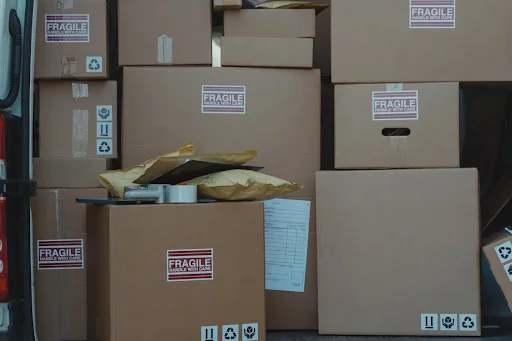
Shipping a small parcel from the U.S. to Denmark often feels simple until it is not. Choosing the wrong service, underestimating packaging needs, or skipping documentation are common missteps. If you want a reliable door-to-door option, follow the link https://us.meest.com/services/service/delivery-to-denmark because it explains air and sea choices, costs per pound, and delivery timeframes in plain language.
Top Packing and Preparation Mistakes
People assume any box will survive international transit, but conveyor belts are unforgiving. The most frequent packing errors appear again and again:
- using single-wall boxes that collapse under stacked weight;
- skipping inner padding so items slide during flight;
- mixing fragile and heavy goods in the same layer;
- forgetting to place a spare label and packing list inside;
- sealing seams with weak tape that peels in cold warehouses.
Fixing these issues costs little and saves weeks of claims. A quick shake test before sealing shows whether your parcel is truly secure.
Customs Paperwork Mistakes
Many senders underestimate Danish customs. They write vague descriptions like “gift” instead of specific items such as “wool sweater” or “cookbook.” Officers then hold the parcel until clarity arrives. Values are another trap. Some people declare unrealistically low prices to avoid VAT, but this triggers audits, penalties, and storage fees.
Electronics over USD 300 should include purchase receipts, yet receipts are often missing. The signed copies of the CN23 must be placed in a clear pouch next to the shipping label, but newcomers sometimes tuck them inside the box where inspectors cannot see them. Finally, omitting the recipient’s local phone number prevents couriers from arranging doorstep delivery. Clear, honest, and complete paperwork is the fastest path through Copenhagen or Billund.
Restricted goods cause the harshest delays. Meat, dairy, uncertified fish, firearms, fireworks, and loose high-capacity lithium batteries are commonly seized or returned. Counterfeit brands or pirated media are not delivered. If an item feels questionable, it is wiser to ask the carrier before shipping than argue at the border.
Timing, Costs, and Carrier Choice
Another mistake is misreading delivery time. Air parcels typically reach Denmark in about one to two weeks, while sea service takes roughly four to five weeks. Holiday seasons, storms over the North Atlantic, and local strikes can stretch these windows. Mailing at the last minute for Christmas or midsummer almost guarantees disappointment. Building a two-week buffer keeps expectations realistic.
Cost surprises often come from dimensional weight. Large, light boxes may be priced by size rather than pounds, so shrinking the carton can cut fees. Every box also carries a fixed handling charge, regardless of weight. Optional insurance is inexpensive protection for valuables, yet many senders skip it and regret the risk. Photographing the sealed parcel and documents creates helpful proof if a claim becomes necessary.
Choosing the cheapest unknown courier is another common error. Some bargain carriers lack real-time tracking, reliable pickups, or clear customer support. A dependable service offers transparent rates, nightly departures, and door-to-door delivery with SMS alerts. Easy drop-off locations, consolidated flights to Denmark, and responsive agents reduce stress for both sender and recipient.
Shipping to Denmark becomes smooth when preparation, paperwork, and timing align. Clear addresses, honest values, sturdy boxes, and a trusted carrier prevent most problems before they start. Instead of guessing, follow a simple checklist and track each scan across the Atlantic Shipping to Denmark. With the right planning, parcels arrive intact, on time, and warmly received. For many U.S. senders, that reliable partner is Meest-America.
Highlighted for you: top insights and strategies that deserve your attention.