
Southern California is famous for its coastline, but the desert interior tells a completely different story. A road trip connecting Palm Springs, Joshua Tree, and Big Bear gives you three distinct landscapes within just a few hours of driving.
This kind of trip works for a long weekend or an extended week if you want to slow down and explore each stop properly.
Why Palm Springs Makes the Perfect First Stop
Palm Springs is the natural entry point for this route. It is easy to reach from Los Angeles in about two hours, and it sets the tone immediately: mid-century architecture, warm desert air, and a walkable downtown lined with restaurants and galleries.
Spend a day or two here. Walk Tahquitz Canyon, take the Aerial Tramway up to Mount San Jacinto, or explore the Palm Canyon Drive shopping district. The energy is laid-back but social, and the evenings cool down enough to enjoy outdoor dining year-round.
The Drive to Joshua Tree
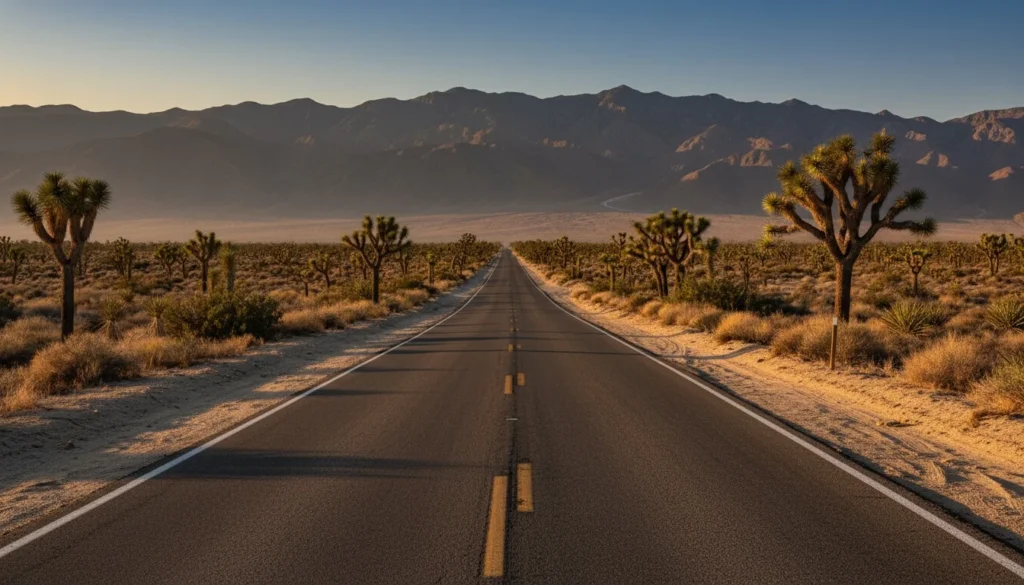
From Palm Springs, Joshua Tree is under an hour east along Highway 62. The transition from manicured desert resort to raw national park is almost theatrical.
Inside Joshua Tree National Park, the landscapes shift constantly. The western side feels like a boulder playground, while the eastern half turns flat and eerie. Sunrise and sunset here are unlike anything else in California, and the night sky away from city lights is extraordinary.
Don’t skip the Cholla Cactus Garden or Skull Rock. If you have time, wake up early for the short hike to Keys View, where on a clear day you can see the Salton Sea and the San Bernardino Mountains in the distance.
From the Desert to the Mountains at Big Bear
The drive from Joshua Tree to Big Bear Lake takes about two and a half hours through striking terrain. You’ll climb from desert floor to over 6,700 feet of mountain elevation within the same afternoon.
Big Bear is the surprise on this route. It has real seasons: snow in winter, wildflowers in spring, hiking and mountain biking in summer. Big Bear Lake itself is ringed with pine forests that feel worlds away from the desert you just left.
Choosing Where to Stay Along the Way
Each stop on this route has a completely different character, and accommodation matters. A mid-century home in Palm Springs suits a very different mood from a rustic retreat near Joshua Tree or a mountain cabin at Big Bear.
Rather than juggling multiple booking platforms, many travelers find it easier to browse vacation homes across Southern California in one place, comparing properties by location, size, and amenity set. Private homes with full kitchens also make practical sense on a multi-stop road trip, since you can shop at local markets and eat in each evening.
Practical Tips for the Route
A few things worth knowing before you leave:
The ideal time to travel this route is October through April. Summer temperatures in the desert can exceed 115°F, which limits outdoor activity significantly and can make hiking dangerous.
Joshua Tree has no gas stations inside the park. Fill up before entering at Twentynine Palms or the town of Joshua Tree. Big Bear is popular on winter weekends when snow draws visitors from Los Angeles, so book accommodation well in advance if that is your plan.
Take the scenic route from Palm Springs to Joshua Tree via Morongo Valley if time allows. The transition from Coachella Valley to the high desert unfolds gradually and the landscape along Highway 62 is worth the extra attention.
A Road Trip That Earns Its Miles
This triangle of destinations shows a side of California that most visitors miss entirely. Desert, national park, and mountain lake within a single trip, connected by roads that are a pleasure to drive.
The key is building in enough time at each stop to actually explore, rather than just pass through. Three nights minimum across the route; four or five if you want to do it properly.