

Batteries power everything from smartphones to data centers, yet most organizations treat them as afterthoughts until something fails. A battery dies during a critical presentation. A backup power system doesn’t activate during an outage. A fleet vehicle breaks down because nobody checked the battery.
These scenarios repeat themselves daily across industries, costing time, money, and credibility. The irony is that most battery failures are predictable and preventable with the right testing approach.
Selecting appropriate battery testing equipment transforms reactive battery management into a proactive strategy. However, the sheer variety of available testing solutions creates confusion. Handheld testers, conductance analyzers, load banks, and integrated monitoring systems all serve different purposes.
Discover insights that matter—check out this related post for more expert tips!
Assessing Your Battery Testing Requirements
Before exploring specific equipment options, define what you actually need to test. Different applications demand different approaches, and understanding your requirements prevents costly mistakes.
Consider the types and quantities of batteries in your operation. A small business with a few UPS systems has vastly different needs than a telecommunications facility maintaining hundreds of battery strings. Industrial operations with forklift fleets face unique challenges compared to automotive service centers. The scale and complexity of your battery infrastructure directly influence which battery testing equipment makes sense.
Understanding Different Types of Battery Testing Equipment
Handheld Digital Testers
These compact devices represent the entry point for serious battery testing. Handheld testers measure voltage, internal resistance, and often provide pass/fail indicators for various battery types. They work well for spot checks and basic maintenance routines where detailed analysis isn’t necessary.
Conductance and Impedance Analyzers
Moving up in capability, conductance analyzers measure how well batteries conduct electrical current. This measurement correlates closely with battery health and remaining capacity. These tools excel at testing sealed lead-acid batteries commonly found in UPS systems and emergency lighting without requiring discharge tests.
Load Testing Systems
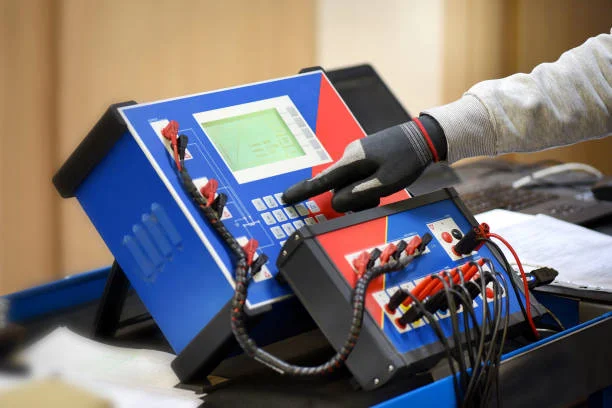
Battery load testing equipment applies actual electrical loads to batteries and monitors their response. This approach provides the most accurate assessment of real-world performance because it simulates how batteries behave during actual use. Load testers range from simple resistance-based units to sophisticated programmable systems that can replicate complex discharge profiles.
Key Features That Matter
Choosing battery testing equipment means evaluating features against your specific requirements. Some capabilities prove essential for certain applications while being unnecessary for others.
Measurement accuracy tops the list of important considerations. Testing equipment that provides imprecise or inconsistent readings creates false confidence or unnecessary battery replacements. Look for equipment with documented accuracy specifications and calibration procedures. Professional-grade equipment typically offers superior accuracy but comes at a higher cost.
Data management capabilities have grown increasingly important. Modern battery load testing equipment often includes memory storage, USB connectivity, or wireless data transfer. These features allow tracking battery health over time, generating reports, and maintaining maintenance records. For operations managing multiple battery installations, data logging transforms individual test results into actionable trends.
Matching Equipment to Battery Types
Different battery chemistries and constructions require different testing approaches. Lead-acid batteries respond well to load testing and conductance measurement. Lithium batteries demand more specialized equipment due to their sensitivity and safety requirements. Nickel-based rechargeable batteries have their own testing protocols.
Flooded lead-acid batteries allow direct access to cells for specific gravity testing alongside electrical measurements. Sealed batteries eliminate this option, making electrical testing methods more critical. The battery testing equipment you choose must accommodate the specific battery types in your facility.
Size matters too. Testing AAA batteries requires different equipment than testing industrial battery banks weighing hundreds of pounds. Some battery load testing equipment handles multiple sizes through adapters and adjustable connections, while other models specialize in specific applications.
Evaluating Battery Testing Equipment Price Considerations
Cost analysis extends beyond the initial purchase price. Understanding the total investment helps justify equipment selection and prevents budget surprises.
Entry-level handheld testers cost anywhere from under one hundred to several hundred dollars. These tools suit basic needs like testing consumer batteries or performing quick checks on automotive batteries. Mid-range professional equipment typically runs from several hundred to a few thousand dollars, offering better accuracy, more features, and broader battery compatibility.
High-end industrial systems can cost tens of thousands of dollars. This battery testing equipment price range includes advanced load banks, computerized discharge testers, and integrated monitoring systems. While expensive, these systems provide comprehensive testing capabilities essential for critical power infrastructure.
Essential Questions Before Purchasing
Making the right equipment choice requires answering several fundamental questions about your needs and constraints:
- What is the voltage range of batteries being tested? Equipment must handle your highest voltage safely while providing accurate readings at your lowest voltage. Buying a tester rated for automotive 12V batteries won’t work for testing 48V telecom battery strings.
- Do you need portable or stationary equipment? Portability adds convenience but may sacrifice some features or capacity. Stationary equipment can be larger and more powerful, but it limits where testing can occur.
- What level of documentation do you require? Basic operations might need only simple pass/fail results, while regulated industries often require detailed test reports with traceable calibration records.
Practical Considerations for Equipment Selection
Beyond specifications and features, practical factors influence long-term satisfaction with battery testing equipment. Ease of use matters more than many buyers initially realize. Complex equipment with difficult interfaces slows down testing and increases training requirements. Look for intuitive controls and clear displays that make operation straightforward.
Durability and build quality separate equipment that lasts from equipment that becomes a recurring expense. Industrial environments demand rugged construction that withstands drops, vibration, and harsh conditions. Consumer-grade equipment often fails prematurely in professional settings, making apparent savings disappear through replacements and downtime.
Support and service availability should factor into decisions, especially for expensive professional equipment. What happens when equipment needs repair or calibration? Manufacturers with responsive support and reasonable turnaround times minimize disruption. Equipment that requires overseas shipment for service creates problematic delays.
Making Sense of Technical Specifications
Battery testing equipment specifications can overwhelm those unfamiliar with technical terminology. However, certain specifications directly impact usefulness and should be understood.
Test range defines the minimum and maximum values that the equipment can measure. Ensure the range covers all batteries you need to test with some margin for unusual situations. Limited range forces workarounds or additional equipment purchases.
Resolution indicates the smallest change that equipment can detect. Higher resolution doesn’t always mean better equipment—it needs to match your accuracy requirements. Testing AAA batteries benefits from fine resolution, while testing large industrial batteries can work with coarser measurements.
Test time affects productivity, especially when testing many batteries. Battery load testing equipment varies widely in how long tests take. Faster testing means more batteries tested per hour, but rushed tests may sacrifice accuracy. Find the balance appropriate for your situation.
When to Consider Integrated Monitoring Systems
For critical applications where battery failure is unacceptable, continuous monitoring trumps periodic testing. Integrated monitoring systems permanently connect to battery strings and track vital parameters constantly. These systems detect developing problems immediately rather than waiting for scheduled tests.
Data centers, hospitals, telecommunications facilities, and other operations dependent on backup power increasingly adopt monitoring systems. While representing the highest battery testing equipment price point, they provide unmatched protection and early warning capabilities. The investment makes sense when battery failure consequences far exceed equipment costs.
Monitoring systems complement rather than replace testing equipment. Portable testers verify monitoring system readings and provide detailed diagnostics when issues arise. Many organizations use both approaches together for comprehensive battery management.
Training and Implementation
Even the best battery testing equipment delivers poor results without proper training. Budget time and resources for operator education. Manufacturers often provide training materials, videos, or classes. Take advantage of these resources to ensure testing produces reliable, meaningful results.
Develop clear testing procedures that standardize how equipment gets used. Consistent methodology improves result reliability and makes trend analysis meaningful. Document procedures and update them as experience reveals improvements.
Start with a pilot program when implementing new equipment, especially expensive systems. Test the equipment thoroughly on a subset of batteries before rolling out organization-wide. This approach identifies issues early and allows refining procedures before full deployment.
Making Your Decision
Selecting battery testing equipment requires balancing numerous factors—technical requirements, budget constraints, practical considerations, and future needs. The right choice depends entirely on your specific situation, making generic recommendations unhelpful.
Focus on equipment that meets your actual needs rather than purchasing excessive capability or settling for inadequate tools. Consider the battery testing equipment price in the context of what battery failures cost your operation. Sometimes, the most expensive equipment is the cheapest solution when total costs and consequences are considered.
Spotlight on what’s trending—read this featured post and stay ahead of the curve.