

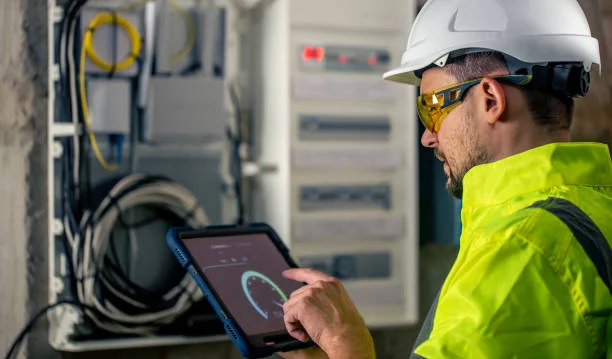
Smart homes blend convenience with connected control, but behind the screens and voice commands, there is still a physical electrical system that must safely and reliably handle new devices. Smart switches, automated lighting, connected thermostats, EV chargers, cameras, doorbells, and whole-home hubs all depend on stable power delivery, proper wiring, and code-compliant protection. When these elements are overlooked, smart features can become inconsistent, noisy, or even unsafe, points out Astoria Charm professionals. Electricians support smart home installations by translating technology goals into practical electrical solutions—planning circuits, upgrading panels, resolving grounding issues, and ensuring each component works as intended within the home’s existing infrastructure.
Wiring Meets Smart Technology
- Evaluating the Home’s Electrical Readiness
Before smart devices are installed, electricians often assess whether the home’s electrical system can support the added demand and complexity. Many smart upgrades involve more than swapping a switch or plugging in a hub; they can introduce higher loads, continuous standby draw, and multiple new connection points. Electricians check panel capacity, circuit distribution, breaker sizing, and the overall condition of wiring to identify limitations early. They also look for older components that may not meet modern safety standards, such as worn receptacles, loose connections, or outdated grounding. This evaluation helps prevent nuisance tripping, voltage drop, flickering lights, and device resets that frustrate homeowners. By confirming the system’s readiness first, smart features can operate smoothly without creating hidden strain on the electrical network.
- Safe Installation of Smart Switches, Dimmers, and Controls
Smart lighting controls are among the most common upgrades, yet they are also one of the easiest areas for mistakes if wiring and compatibility are not handled correctly. Electricians ensure that smart switches and dimmers match the type of load they will control, such as LED fixtures, fans, or multi-way lighting circuits. They verify whether a neutral wire is required and confirm that grounding is secure so the device functions reliably and safely. In many service calls, a homeowner’s goals include voice control, scheduling, and scene settings, but the system must still maintain solid mechanical and electrical connections inside the wall box. For homeowners seeking an electrician in Prosper, TX, these considerations matter even more in homes with mixed lighting types, renovated wiring, or multiple smart zones that require careful circuit identification and clean installation practices.
- Panel Upgrades and Circuit Planning for Growing Device Loads
As smart homes expand, electrical capacity and organization become increasingly important. Electricians support this growth by planning circuits that separate critical devices from high-demand appliances, reducing interference and improving reliability. Smart devices themselves may draw modest power, but the ecosystem often includes additions such as EV charging, heat pumps, powered shades, or upgraded kitchen equipment that change the home’s overall load profile. Electricians may recommend panel upgrades, additional subpanels, or dedicated circuits to prevent overload and provide room for future expansion. They also label circuits clearly and create a logical structure that simplifies troubleshooting later. This planning approach helps homeowners avoid piecemeal fixes and supports a smart home that scales smoothly, delivers stable performance, and reduces electrical surprises.
- Grounding, Surge Protection, and Device Reliability
Smart devices are sensitive to power quality, and electricians play a key role in protecting them from the problems that shorten device lifespan or cause erratic behavior. Proper grounding supports safe fault paths and reduces the risk of shocks and equipment damage. Electricians also install surge protection at the panel or at key points in the home to reduce exposure to voltage spikes caused by storms, utility switching, or large motors cycling on and off. While a surge protector cannot prevent every issue, it can significantly reduce the frequency of device failures and communication dropouts linked to electrical disturbances. Electricians may also address loose neutrals, unbalanced loads, or wiring faults that contribute to flicker and inconsistent voltage. These improvements often make the difference between a smart home that feels seamless and one that constantly requires resets, reconnections, or replacements.
- Integrating Low-Voltage Systems With High-Voltage Power
Many smart home features blend low-voltage and line-voltage components, including doorbells, cameras, networked security systems, and access control. Electricians help coordinate these systems by ensuring power delivery is correct and safely separated from data lines where necessary. They may install transformers, power supplies, structured wiring enclosures, or dedicated outlets in strategic locations to support hubs and network hardware. Even when low-voltage cabling is handled by other trades, electricians often ensure that the supporting electrical infrastructure is stable and placed correctly for long-term access. This coordination is especially important when devices must remain powered continuously, such as security cameras, smart locks, or network switches. A clean integration approach reduces clutter, prevents accidental disconnections, and supports a system that looks as polished as it performs.
Electricians support smart home installations by grounding modern technology in safe, dependable electrical work. Their role extends from evaluating existing wiring and panel capacity to installing smart controls properly, planning circuits for new loads, and protecting sensitive equipment through grounding and surge mitigation. They also help integrate the power side of low-voltage devices and ensure that smart features remain stable over time, not just functional on installation day. A smart home is ultimately only as reliable as the electrical system behind it, and careful professional support helps homeowners enjoy automation, comfort, and control without the frustration of inconsistent performance or avoidable safety risks.