
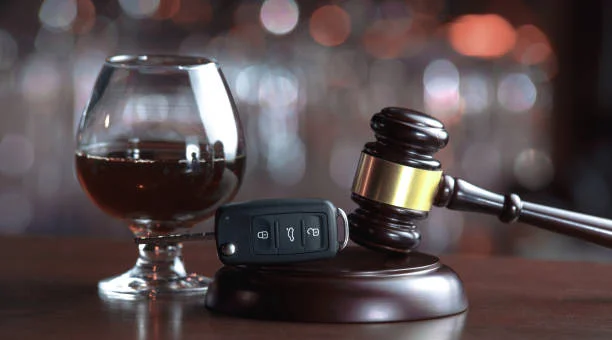
Alcohol-related car accidents remain one of the leading causes of serious injuries and fatalities on the road. While public awareness about drunk driving has increased over the years, these crashes continue to devastate families and communities. Beyond the emotional and physical consequences, alcohol-related accidents raise complex legal questions about liability and accountability.
If you or someone you love has been involved in a crash involving alcohol, understanding how liability works can help you protect your rights and make informed decisions during a difficult time.
What Makes Alcohol-Related Accidents Different?
At first glance, a drunk driving crash may seem straightforward—the impaired driver is at fault. However, liability in these cases can extend beyond the individual behind the wheel.
Alcohol-related accidents often involve:
- Criminal charges (such as DUI or DWI)
- Civil claims for damages
- Insurance disputes
- Potential third-party liability
Because alcohol impairs reaction time, judgment, and motor skills, drivers under the influence pose a significantly higher risk to others on the road. When that risk leads to a crash, legal responsibility can involve multiple parties.
Who Is Liable in a Drunk Driving Accident?
1. The Intoxicated Driver
In most cases, the impaired driver bears primary responsibility. Driving under the influence violates traffic laws and creates clear negligence. If their actions caused injuries or property damage, they may be held financially responsible in a civil lawsuit, in addition to facing criminal penalties.
Civil liability may cover:
- Medical expenses
- Lost wages
- Property damage
- Pain and suffering
- Long-term rehabilitation costs
Criminal charges and civil claims are separate processes. Even if a driver is not convicted in criminal court, they may still be found liable in a civil case.
2. Dram Shop Liability
In some states, bars, restaurants, or establishments that serve alcohol can also be held responsible under what are known as “dram shop” laws.
If a business:
- Served alcohol to someone visibly intoxicated, or
- Served alcohol to a minor
And that individual later caused a crash, the establishment may share liability.
Dram shop cases can be complex and require strong evidence showing the business acted negligently.
3. Social Host Liability
In certain jurisdictions, private individuals who host parties may also be held liable if they knowingly provided alcohol to minors or visibly intoxicated guests who later caused an accident.
This type of liability depends heavily on state laws.
How Is Fault Determined?
Determining liability in alcohol-related accidents typically involves gathering and analyzing multiple types of evidence:
- Police reports
- Breathalyzer or blood test results
- Witness statements
- Surveillance footage
- Toxicology reports
- Accident reconstruction analysis
Insurance companies and attorneys review this information to establish fault and assess damages.
If you’ve been injured, consulting an Attorney after drunk driving accident can help ensure that all potentially responsible parties are identified and held accountable.
What Damages Can Victims Recover?
Victims of alcohol-related crashes may be entitled to compensation for both economic and non-economic damages.
Economic damages include:
- Emergency medical treatment
- Ongoing medical care
- Rehabilitation
- Lost income
- Reduced earning capacity
- Vehicle repairs
Non-economic damages include:
- Pain and suffering
- Emotional distress
- Loss of enjoyment of life
- Permanent disability
In some cases, courts may also award punitive damages. These are intended to punish especially reckless behavior, such as driving with a very high blood alcohol concentration (BAC).
What If the Drunk Driver Is Uninsured?
Unfortunately, not all drivers carry adequate insurance coverage.
If the at-fault driver is uninsured or underinsured, victims may be able to file a claim through their own uninsured/underinsured motorist coverage (UM/UIM), depending on their policy.
Reviewing your insurance policy before an accident happens is always a wise precaution.
Can You Still Recover Compensation If You Were Partially at Fault?
Some accidents involve shared fault. For example, another driver may have been speeding while the intoxicated driver ran a red light.
Many states follow comparative negligence rules. Under these laws, a victim’s compensation may be reduced based on their percentage of fault—but they may still recover damages.
Understanding how fault is calculated in your state is essential.
Common FAQs About Alcohol-Related Accident Liability
Does a DUI conviction automatically mean the driver is liable?
A DUI conviction strengthens a civil claim but does not automatically determine liability in a personal injury case. Civil courts apply different standards of proof.
How long do I have to file a claim?
Each state has a statute of limitations, typically ranging from one to three years. Filing as soon as possible helps preserve evidence and strengthen your case.
What if the intoxicated driver left the scene?
Hit-and-run cases are more complicated, but victims may still recover compensation through uninsured motorist coverage. Law enforcement may also locate the driver through investigation.
Can family members file a lawsuit if someone dies in a drunk driving crash?
Yes. In fatal cases, surviving family members may file a wrongful death claim to seek compensation for funeral expenses, lost income, and emotional suffering.
The Emotional and Financial Impact
Alcohol-related crashes often cause life-altering injuries. Victims may face:
- Long recovery periods
- Permanent disabilities
- Psychological trauma
- Financial hardship
The legal process can feel overwhelming during such a vulnerable time. However, understanding your rights and the legal options available can provide clarity and direction.
Protecting Yourself and Your Loved Ones
While you cannot control others’ choices, you can reduce your risk by:
- Avoiding driving late at night in high-risk areas
- Staying alert at intersections
- Maintaining defensive driving habits
- Ensuring you have adequate insurance coverage
Education and awareness remain powerful tools in preventing drunk driving tragedies.
Conclusion: Accountability and Justice Matter
Alcohol-related car accidents are preventable tragedies. When they occur, understanding liability is critical for protecting victims’ rights and ensuring accountability.
Liability may extend beyond the intoxicated driver to include establishments or individuals who contributed to the dangerous situation. Because these cases often involve both criminal and civil proceedings, navigating them requires careful attention to evidence, deadlines, and legal standards.
If you or someone you love has been injured in a drunk driving crash, seeking reliable legal guidance can help you understand your options and pursue fair compensation.
Ultimately, holding negligent parties accountable not only supports recovery for victims—it also reinforces the importance of responsible choices on the road.