

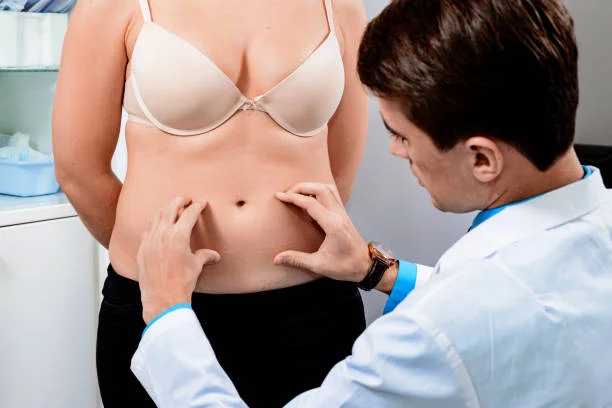
A tummy tuck, also called an abdominoplasty, is a surgical procedure that reshapes the abdominal area by removing excess skin and, in many cases, tightening the abdominal wall. People consider it for many reasons, including changes after pregnancy, significant weight loss, aging, or genetic factors that leave loose skin and a softer midsection that do not respond to diet and exercise. While it is often discussed as a cosmetic choice, the decision usually involves comfort, clothing fit, posture concerns, and confidence in everyday life. Because it is a surgical procedure, it requires careful planning, realistic expectations, and a clear understanding of what it can and cannot do. Knowing the basics helps patients weigh the benefits against the demands of recovery and long-term maintenance.
What a tummy tuck can change
- Who Typically Considers the Procedure and Why
Most people who explore abdominoplasty have already tried lifestyle changes and still feel limited by loose skin, stretched tissues, or persistent bulging in the lower abdomen. This is common after pregnancy, where the skin can remain lax, and the abdominal wall may separate, creating a rounded shape even at a healthy weight. It can also follow weight loss, when the body becomes smaller, but the skin does not shrink at the same rate, leading to folds that affect hygiene and comfort. Some patients are motivated by how their abdomen feels during movement or how clothing sits around the waistline. A key point is that a plastic surgery tummy tuck is not intended as a primary weight-loss method; it is usually considered when weight is stable, and the main concerns are excess skinand structural laxity. Understanding candidacy matters because outcomes are more predictable when the procedure matches the problem it is designed to address.
- Types of Tummy Tuck and What They Target
Tummy tuck procedures are not one-size-fits-all, and surgeons often recommend a technique based on where the looseness is located and how much correction is needed. A “mini” tummy tuck generally focuses on the lower abdomen below the belly button, with a smaller incision and more limited tightening, often chosen when upper abdominal skin remains relatively firm. A “full” tummy tuck usually addresses both the upper and lower abdomen, often involving repositioning the belly button and tightening the abdominal wall for more complete contouring. In some cases, an “extended” tummy tuck is considered when loose skin continues around the hips, which can happen after major weight loss. The differences are not only about scar length, but also about the amount of internal tightening performed and the amount of skin that can be safely removed. Discussing these options helps patients understand why one approach may be recommended over another based on anatomy and goals.
- What Happens During Surgery and Where Tightening Occurs
A tummy tuck commonly involves removing excess skin and fat, then tightening the connective tissue layer that supports the abdominal wall. Many people describe it as “muscle tightening,” but the repair is typically performed on the fascia, a supportive layer that sits over the muscles, because that is where stretching and separation often occur. The surgeon creates a smoother contour by pulling the abdominal skin downward and removing what cannot be redraped cleanly. If the belly button is repositioned, it is brought through a new opening so it sits naturally after the skin is tightened. The procedure is performed under anesthesia, and the exact steps depend on the technique, the amount of skin laxity, and whether other procedures are combined. Knowing the basic mechanics of the surgery helps patients understand why recovery involves movement restrictions, why swelling is common, and why the body needs time to settle into the new shape.
- Recovery Timeline and What “Normal” Feels Like
Recovery is often the most underestimated part of the tummy tuck decision. Early recovery typically includes swelling, tightness, soreness, and limited range of motion, especially when standing upright or transitioning from bed to walking. Many patients are advised to walk gently soon after surgery to support circulation, but strenuous activity and heavy lifting are usually restricted for weeks. Compression garments are commonly used to reduce swelling and support healing tissues. Sleeping and posture may feel different at first because the skin and internal repair create a sensation of tightness that gradually eases. Follow-up visits are important for monitoring healing, managing incision care, and addressing issues such as fluid buildup. Over time, swelling decreases, and mobility improves, but final contour results can take months as tissues soften and settle. Recovery experiences vary, so planning for time off work, help at home, and a gradual return to activity is a major part of a successful outcome.
- Risks, Scars, and How Patients Evaluate Tradeoffs
As with any surgery, tummy tucks carry risks and tradeoffs that should be discussed openly. Common concerns include scarring, infection, bleeding, fluid collections, delayed wound healing, numbness, and changes in skin sensation. Scars are permanent, though they are typically placed low enough to be covered by underwear or swimwear, and their appearance can improve over time. Some patients are surprised by how long swelling lasts or how uneven the abdomen can look early in healing. Risk levels depend on factors such as overall health, smoking status, body weight stability, and previous abdominal surgeries. Patients often evaluate the trade-off by comparing the benefits of improved contour and comfort with the realities of downtime and the permanence of scars. Careful consultation, clear pre-op instructions, and realistic expectations help keep the decision grounded and reduce disappointment caused by assumptions that do not align with surgical reality.
- Long-Term Results and How to Maintain Them
A tummy tuck can provide long-lasting results, but maintaining a stable weight and understanding how future life events can affect the abdomen are key. Significant weight gain can stretch the tissues again, and future pregnancies can reverse some of the tightening and skin removal benefits. That is why many surgeons recommend waiting until childbearing is complete and weight is steady before proceeding. Long-term maintenance also includes caring for scars, protecting the incision area from sun exposure during healing, and building a gradual fitness routine after clearance to support overall body composition. While the procedure reshapes the abdomen, it does not prevent natural aging, so subtle changes over time are normal. Patients who maintain stable habits often find that results feel more consistent year after year, and clothing fit remains one of the most noticeable daily benefits. Thinking long-term helps people approach the procedure as a durable investment rather than a quick change.
- A Simple Perspective Before Deciding
A tummy tuck is most successful when the goal aligns with what the surgery is designed to address: loose skin, tissue laxity, and abdominal contour concerns that persist despite lifestyle efforts. It is not a shortcut for weight loss, and it requires patience through recovery. The decision becomes clearer when patients consider timing, support during healing, and the trade-off between scars and improved shape. A thoughtful consultation and honest expectations are as important as the surgical technique itself.
Making an Informed Choice
A tummy tuck is a structured surgical procedure that reshapes the abdominal area by removing excess skin and tightening supportive tissues, often helping people after pregnancy or significant weight change. Understanding candidacy, procedure types, recovery demands, and realistic outcomes helps patients decide whether it fits their needs and timing. Recovery requires planning, patience, and a gradual return to activity, while long-term results depend on stable weight and life plans, such as future pregnancy. Scars and risks are part of the equation, so the most confident decisions come from carefully weighing benefits against those trade-offs. When approached with clear goals and informed expectations, a tummy tuck can be a meaningful step toward a more comfortable and proportionate midsection.