

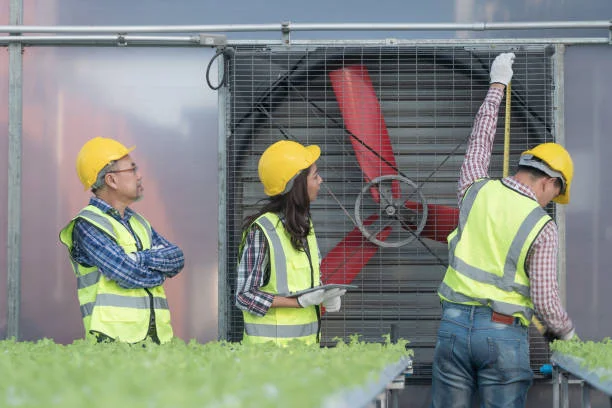
Heating and cooling systems represent one of the largest long-term investments in any home or commercial building. These systems are expected to operate reliably through years of temperature changes, daily use, and seasonal stress. While manufacturers design equipment for durability, real-world performance depends heavily on how systems are installed, monitored, and maintained over time. HVAC contractors play a central role in protecting that investment by helping equipment operate within safe limits and by addressing small issues before they grow into costly failures. Their involvement goes far beyond fixing breakdowns. Through planning, routine care, and system adjustments, contractors help heating and cooling equipment reach its full service life rather than be replaced prematurely.
How contractors protect HVAC systems
- Installation Choices That Shape System Longevity
The life cycle of HVAC equipment is influenced from the moment it is installed. Contractors evaluate building size, insulation quality, airflow pathways, and usage patterns to ensure systems are not overworked from day one. A unit that is improperly sized or poorly integrated into existing ductwork may run too often or struggle to maintain temperature, accelerating wear on motors, compressors, and heat exchangers. Careful installation helps equipment operate at steady, efficient cycles rather than constant strain. Contractors also focus on correct refrigerant levels, electrical connections, and airflow balance, all of which affect internal stress. When systems start their service life operating smoothly, components experience less friction and thermal shock. This foundation allows equipment to age gradually rather than failing early due to avoidable stress created during installation.
- Preventive Maintenance as a Life-Extension Tool
Routine maintenance is one of the most effective ways HVAC contractors extend equipment life cycles. Filters, belts, coils, and electrical components all degrade over time, but when inspected regularly, they can be cleaned or adjusted before damage spreads. Contractors monitor performance indicators, such as temperature differentials, pressure readings, and operational sounds, to detect early signs of trouble. These small interventions reduce the likelihood of catastrophic breakdowns that shorten system life. Maintenance visits also provide opportunities to correct airflow issues and remove debris that forces systems to work harder. In some cases, scheduling timely Furnace repair service prevents minor heating issues from escalating into failures that compromise the entire system. Consistent attention keeps equipment operating closer to its intended design conditions year after year.
- Managing Wear Through System Calibration
HVAC systems gradually drift out of balance as components age and building conditions change. Contractors extend equipment life by recalibrating systems to match current demands rather than allowing inefficiencies to compound. This includes adjusting blower speeds, thermostat settings, and control sequences to reduce unnecessary cycling. When systems operate in short cycles or run continuously, internal parts experience excessive starts and stops, which accelerates mechanical wear. Calibration restores smoother operation and lowers stress on key components. Contractors also verify that sensors and safety controls respond accurately, preventing systems from operating in unsafe conditions. By keeping equipment aligned with real operating needs, calibration helps systems age evenly rather than fail suddenly due to accumulated imbalance.
- Airflow and Duct Integrity Over Time
Airflow issues are a common cause of early HVAC failure, and contractors play a vital role in managing this risk. Over time, ducts can develop leaks, blockages, or imbalances that restrict airflow, forcing equipment to compensate. Restricted airflow increases operating temperatures and pressure, which shortens the life of motors and heat exchangers. Contractors inspect duct systems, seal leaks, and recommend adjustments that reduce resistance. They also ensure return air paths remain clear so systems can breathe properly. Balanced airflow allows heating and cooling equipment to move air efficiently without strain. When airflow is maintained, internal components experience less heat buildup and mechanical stress, contributing to longer service life.
- Adapting Systems to Changing Building Needs
Buildings rarely remain static, and HVAC contractors help systems adapt to changes that could otherwise shorten equipment life. Home renovations, occupancy changes, and new technology alter heating and cooling demands. Contractors evaluate how these changes affect system load and make adjustments to prevent overuse. This may involve zoning adjustments, control upgrades, or airflow modifications that distribute demand more evenly. Without these adaptations, equipment may be pushed beyond its original design intent, leading to accelerated wear. Contractors help systems evolve alongside the building, ensuring equipment continues to operate within safe parameters. This adaptability allows systems to remain viable even as usage patterns shift over time.
- Educating Owners on System-Friendly Operation
Contractors also extend HVAC lifespans by guiding owners toward operational practices that reduce strain on equipment. Simple practices such as consistent thermostat settings, timely filter replacement, and awareness of unusual noises can make a meaningful difference. Contractors explain how extreme temperature setbacks or blocked vents increase system stress. This education empowers owners to support equipment health between service visits. When occupants understand how their daily actions affect system performance, they become active participants in extending equipment life. This partnership reduces avoidable damage and ensures contractors’ maintenance efforts are reinforced rather than undermined by everyday use.
- Monitoring Performance Trends Over Years
Long-term system monitoring is another way contractors help HVAC equipment reach its full life span. By tracking performance data over multiple service visits, contractors identify gradual changes that signal aging components. Rising energy use, longer run times, or subtle output declines indicate when parts should be serviced or replaced. Addressing these trends early prevents chain reactions that shorten system life. Monitoring also helps contractors recommend upgrades that improve efficiency without replacing entire systems. This strategic approach balances maintenance with targeted improvements, keeping equipment functional and reliable for as long as possible.
Sustaining Comfort Through Careful Oversight
HVAC contractors play a steady, ongoing role in protecting heating and cooling equipment from premature failure. Through thoughtful installation, preventive maintenance, calibration, airflow management, and system adaptation, they reduce the stresses that shorten equipment life. Their guidance helps owners operate systems in ways that support durability rather than wear. Over time, this consistent oversight allows HVAC equipment to deliver reliable comfort as it ages gradually and predictably. Extending equipment life cycles is not about avoiding replacement forever, but about ensuring systems reach their intended potential before that time arrives.
Keep Exploring Smart Reads That Deliver Value Beyond the Surface