

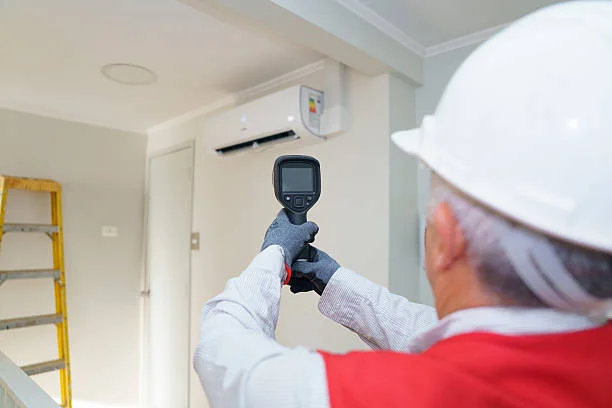
Uneven room temperatures are one of the most common comfort complaints in homes. One bedroom may feel chilly while the living room stays warm, or upstairs rooms may feel hotter than downstairs, no matter what the thermostat shows. Many homeowners assume this means the air conditioner or heater is failing, but uneven comfort is often caused by airflow imbalance, duct layout problems, heat gain, insulation gaps, or thermostat placement. HVAC contractors diagnose these issues by treating the home as a complete system rather than focusing only on the equipment, observes Yourway Properties team. They examine how air is delivered, how it returns to the system, and how the home maintains temperature across different zones. When the real cause is found, comfort can often be improved without replacing major equipment or increasing energy use.
How Contractors Start the Diagnosis
- Confirming the Complaint and Mapping the Problem Rooms
A proper diagnosis begins with confirming exactly where the comfort imbalance happens. Contractors ask which rooms feel warm or cold, how long the problem has existed, and whether it occurs only during heating or cooling. They also confirm if the issue changes by time of day. For example, a west-facing room may overheat in late afternoon, while a shaded room stays colder all day. Contractors often take temperature readings in multiple rooms to build a map of temperature differences. They compare these readings to thermostat placement to see whether the thermostat is measuring a representative area of the home. During this step, companies such as Roberts Air, LLC often emphasize tracing the complaint back to measurable conditions rather than relying on guesswork. Comfort problems usually follow a pattern tied to airflow and heat gain, and mapping that pattern makes the next steps more accurate.
- Checking Airflow at Supply Vents and Return Pathways
After identifying problem rooms, contractors assess how much air is actually reaching each space. A room that runs hot in summer may not be receiving enough conditioned air, or it may lack proper return airflow. Contractors measure airflow at vents and check whether registers are open, blocked by furniture, or improperly sized. They also examine return air pathways, because air must flow back to the system for balanced circulation. If a room has a supply vent but no easy return path, air pressure builds up behind closed doors, reducing delivery and causing comfort imbalance. Contractors may check for undercut doors, transfer grills, or return placement issues. Uneven temperatures are often caused by airflow restrictions rather than equipment failure, so airflow checks are a critical early step.
- Air Must Circulate Fully
A system cannot keep rooms even if the air cannot move freely. HVAC contractors often find that return restrictions and pressure imbalances create uneven temperatures, even when the equipment is operating normally and producing correct heating or cooling output.
- Ductwork Design, Leakage, and Balancing Issues
Ductwork is a major source of uneven temperature problems. Contractors inspect accessible ducts for leaks, crushed flex duct, disconnected joints, or poor routing through attics and crawlspaces. Even small duct leaks can cause significant comfort loss by dumping conditioned air into unconditioned spaces rather than the target room. Duct balancing also matters. When duct branches are not designed evenly, some rooms receive too much airflow and others too little. Contractors check dampers, trunk lines, and branch sizing to identify imbalance. They also look for long duct runs serving distant rooms, which can reduce airflow compared to shorter runs. Many comfort issues can be improved by sealing ducts, correcting restrictions, or adjusting balancing dampers without changing equipment.
- Static Pressure Testing and System Resistance
HVAC contractors diagnose often measure static pressure to understand how hard the system is working to move air. High static pressure indicates resistance—usually from dirty filters, clogged coils, undersized ducts, closed vents, or restrictive returns. When static pressure is high, airflow drops, and distant rooms suffer first. Even if the equipment produces cold or warm air properly, poor airflow prevents that conditioning from reaching all rooms equally. Testing static pressure gives contractors a clear diagnostic signal about airflow health. If resistance is identified, they can correct it through filter upgrades, coil cleaning, duct improvements, or vent corrections. Lower resistance improves circulation and can quickly reduce complaints of uneven temperature.
- Insulation, Sun Exposure, and Room Heat Gain
Sometimes the HVAC contractors diagnose system is working properly, but the home envelope causes temperature variations. Contractors evaluate insulation levels, attic conditions, window exposure, and air leaks. Rooms with poor insulation or direct sunlight gain heat faster, making them harder to cool. Rooms over garages or crawl spaces often lose heat faster in winter, resulting in colder temperatures. Contractors may recommend sealing gaps around windows, improving attic insulation, adding radiant barriers, or installing window coverings to reduce heat gain. These adjustments reduce the load difference between rooms, making temperature control more even. Addressing room heat gain and loss is often necessary because airflow fixes alone cannot overcome major insulation gaps.
- Thermostat Placement and Control Behavior
Thermostat location strongly influences comfort balance. If the thermostat is in a hallway, near a kitchen, near windows, or in direct sunlight, it may not reflect conditions in distant rooms. This causes the system to cycle based on a temperature that doesn’t align with the home’s true comfort needs. Contractors check thermostat calibration and determine whether it is reading accurately. They may also evaluate whether zoning controls, smart thermostat schedules, or airflow settings contribute to uneven temperatures. Sometimes the solution is as simple as adjusting fan settings or relocating the thermostat to a better central location. A good control strategy maintains even comfort without requiring more powerful equipment.
Comfort Balance Comes From Whole-System Diagnosis
HVAC contractors diagnose uneven room temperatures by combining airflow testing, duct inspection, static pressure measurements, and evaluation of home heat-gain patterns. Uneven comfort is usually caused by air distribution problems, duct leaks, return airflow restrictions, or insulation weaknesses—not immediate equipment failure. By mapping temperature differences and correlating them with measurable system performance, contractors can identify root causes and restore comfort. When airflow and building conditions are balanced, the HVAC system can maintain stable temperatures across rooms more effectively. In most cases, improved comfort comes from better system balance, not equipment replacement.