
Toilet stains are one of the most annoying cleaning problems in any home. You scrub the bowl. It looks clean for a few days. Then the stains slowly come back Mineral Stains. Hard water rings reappear. Rust streaks show up again.
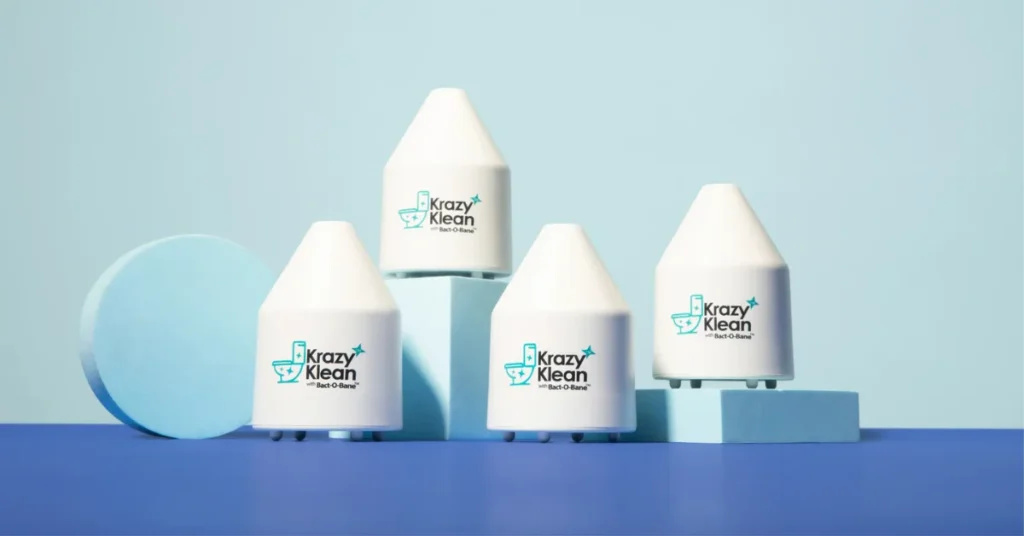
Many homeowners are now looking for ways to prevent stains instead of constantly removing them. One product that has gained attention is the krazy klean toilet cleaner. The device is designed to sit inside the toilet tank and help prevent mineral stains from forming on the bowl.
The idea behind the product is simple. Stop minerals from sticking to the porcelain surface in the first place. If minerals cannot attach to the bowl, stains cannot form.
This approach focuses on prevention rather than constant scrubbing.
To understand how products like this work, you first need to understand why toilet stains appear so often.
The Real Cause of Most Toilet Stains
Many people assume toilet stains are caused by dirt or poor cleaning habits.
In reality, most stains are caused by minerals in the water supply.
These minerals are completely natural. They come from underground rock formations that water passes through before reaching homes.
Common minerals found in household water include:
- Calcium
- Magnesium
- Iron
- Manganese
When water containing these minerals sits in a toilet bowl, the minerals begin to settle onto the porcelain surface.
Over time, they form visible stains.
Three types of mineral stains appear most often in toilets.
Hard Water Rings
Hard water rings are one of the most common toilet stains.
They appear as a white, gray, or chalky ring around the waterline.
These rings form when calcium and magnesium minerals attach to the bowl surface.
The longer they sit, the harder they become.
Hard water rings can eventually turn into thick mineral crusts that require heavy scrubbing to remove.
Rust Stains
Rust stains usually appear as orange, brown, or reddish streaks.
These stains come from iron in the water supply.
Iron is especially common in well water systems. Homes that rely on groundwater often experience stronger rust staining.
When iron particles sit in the toilet bowl, they oxidize. This reaction creates the rusty color.
Rust stains can spread slowly across the porcelain surface if not treated.
Limescale Buildup
Limescale is a hard, chalky deposit made mostly of calcium carbonate.
It forms when hard water evaporates and leaves minerals behind.
Over time, the mineral layer becomes rough and porous.
This rough surface allows more minerals to attach.
The result is a cycle where stains grow faster and become harder to remove.
Why Scrubbing Alone Does Not Solve the Problem
Most households rely on a simple cleaning routine.
The process usually looks like this:
- Apply toilet cleaner
- Wait a few minutes
- Scrub with a toilet brush
- Flush the toilet
This routine removes stains temporarily, but it does not change the water that is causing the stains.
As long as mineral-rich water continues to enter the bowl, new deposits will eventually form.
That is why toilets often look dirty again just days after cleaning.
The real solution is to reduce mineral buildup before it attaches to the bowl.
How Prevention-Based Toilet Devices Work
Some newer cleaning devices take a different approach.
Instead of dissolving chemicals into the water, they attempt to alter how minerals behave inside the tank.
These devices sit inside the toilet tank where fresh water enters during each flush.
As water flows through the tank, it passes around the device.
Some products claim this process changes the mineral structure of the water. The goal is to prevent those minerals from bonding to porcelain surfaces.
If the minerals cannot attach to the bowl, they simply wash away during the next flush.
This concept is similar to technologies used in certain water treatment systems.
The difference is that these devices are designed specifically for toilets.
The Main Goal: Preventing Mineral Stains
The key feature of prevention-based toilet devices is simple.
They aim to stop stains before they form.
This is very different from traditional cleaning products.
Most cleaners are designed to dissolve existing stains.
Prevention devices focus on reducing future buildup.
When installed in a clean toilet, the device may help reduce:
- Hard water rings
- Rust stains
- Limescale buildup
This can make regular cleaning easier and less frequent.
Why Many People Want Chemical-Free Cleaning
Traditional toilet cleaners often contain strong ingredients.
Common chemicals include:
- Bleach
- Hydrochloric acid
- Sodium bisulfate
These chemicals are effective at dissolving mineral stains.
However, some people prefer to avoid them for several reasons.
Strong cleaners can produce harsh fumes in small bathrooms. Frequent chemical use can also damage internal toilet components over time.
Rubber seals and metal parts inside the tank may wear out faster when exposed to certain chemicals.
A device that works without chemicals appeals to homeowners who want a simpler and less aggressive cleaning approach.
Installation Is Very Simple
Another reason prevention devices are popular is ease of use.
Most products require only one step.
Open the toilet tank lid. Place the device inside the tank. Close the lid.
That’s it.
No plumbing skills are required. No tools are needed.
The device works automatically every time the toilet flushes.
This simplicity is one of the biggest selling points.
Why Water Quality Still Matters
Even the best prevention devices cannot completely control water chemistry.
Water quality varies widely depending on location.
Some homes receive water from municipal treatment plants.
Other homes rely on private wells.
Well water often contains higher levels of minerals such as iron and manganese.
These minerals can create stronger staining problems.
Homes located in regions with limestone geology may also experience very hard water.
Because of these factors, results may vary between households.
A device that works well in one home may perform differently in another.
Additional Ways to Reduce Toilet Mineral Stains
Using a prevention device is one option. However, combining multiple strategies usually produces the best results.
Here are a few simple steps that can help.
Clean the Toilet Tank
Many people clean the bowl but ignore the tank.
Mineral deposits can accumulate inside the tank and enter the bowl during each flush.
Cleaning the tank once or twice a year helps reduce buildup.
Install a Water Softener
Water softeners remove calcium and magnesium from household water.
This can significantly reduce mineral buildup throughout the entire home.
Appliances, faucets, and toilets often stay cleaner when water is softened.
Flush the Toilet Regularly
Standing water allows minerals to settle on surfaces.
Frequent flushing moves water through the system and reduces mineral deposits.
This is especially helpful in guest bathrooms that are rarely used.
Perform Quick Weekly Cleaning
Even with preventative products, occasional cleaning is still recommended.
A quick weekly scrub prevents small mineral spots from turning into thick deposits.
Small maintenance tasks save time later.
Why Prevention Is the Future of Bathroom Cleaning
Cleaning technology continues to evolve.
Many products now focus on reducing maintenance instead of increasing cleaning power.
People want solutions that simplify daily chores.
Devices designed to prevent mineral stains represent this new approach.
Instead of fighting stains after they appear, these products attempt to stop them from forming.
This concept is especially appealing in homes with hard water problems.
When mineral buildup is reduced, toilets stay cleaner for longer periods.
That means less scrubbing and fewer cleaning chemicals.
The Bottom Line
Toilet stains are mostly caused by minerals in household water.
Calcium, magnesium, and iron slowly build up on porcelain surfaces. These deposits create hard water rings, rust stains, and limescale.
Traditional cleaners remove these stains after they appear.
Newer devices focus on preventing mineral buildup before it sticks to the bowl.
Products like the krazy klean toilet cleaner aim to reduce mineral stains by treating the water inside the toilet tank. The goal is to stop minerals from bonding to the bowl surface.
While results may vary depending on water quality, the concept highlights an important shift in cleaning technology.
Prevention is becoming just as important as cleaning power.
For homeowners dealing with constant toilet stains, that idea is worth exploring.
Step deeper into content crafted to spark your curiosity fast at The Tipsy Gypsies.