

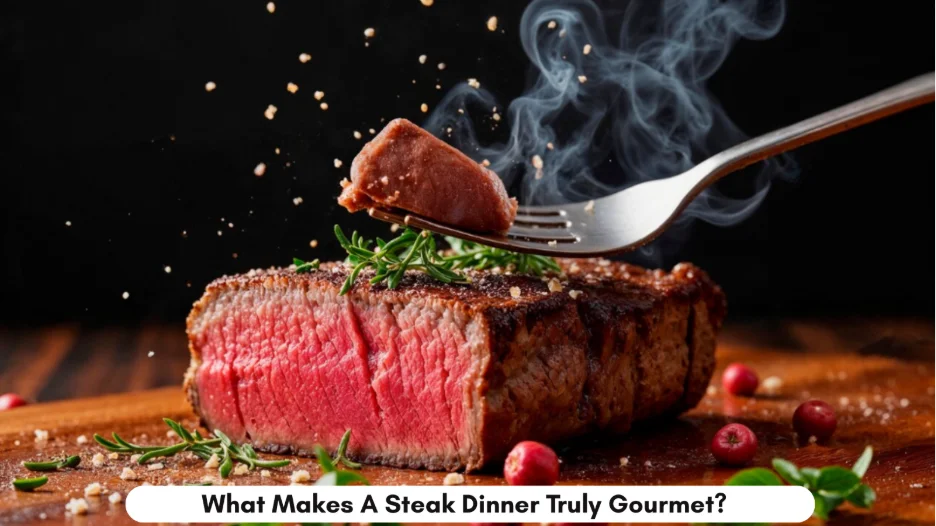
You might have ordered steak at a restaurant hoping that you would have rich-flavored and well-cooked, tender meat, but you end up with a meat that feels normal, was not cooked evenly, and lacked depth of flavor.
There are occasions where the seasoning overwhelms the beef, and on certain occasions, the sides could not match the beef because they do not complement the steak, making the plate appear incomplete rather than carefully planned.
Such frustrations are usually related to details that are ignored in sourcing, preparation, and balancing across the plate. But a genuine high steak experience addresses these problems with superior quality cuts, accurate heat regulation, planned seasoning, good side selection, and considerate timing of service.
When all these elements are combined, then flavor, texture, and presentation are all purposeful and not random. This article explains the essential components that transform an ordinary steak order into a truly gourmet steak experience that is worth remembering and revisiting.
1. Premium Cut Selection Standards
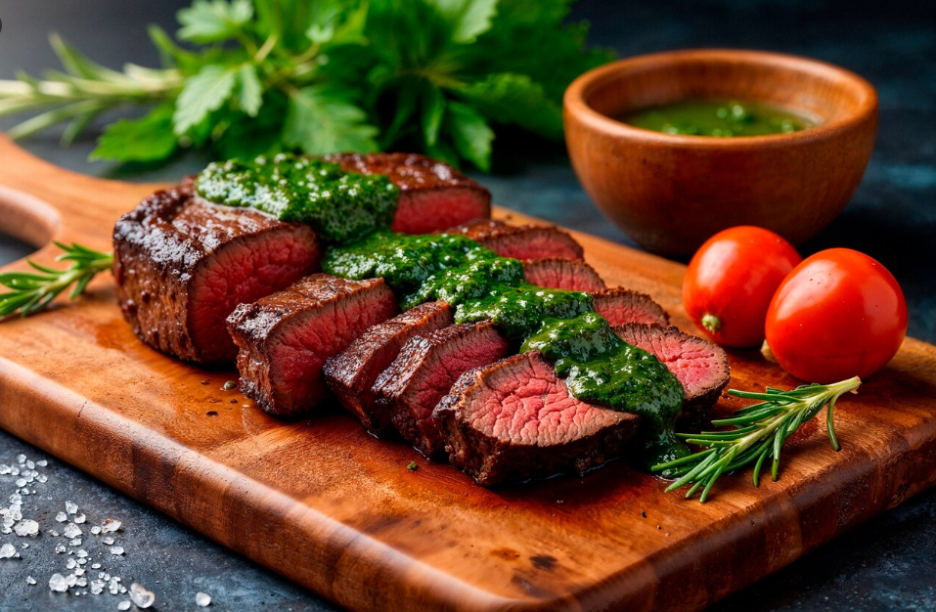
The first and most important defining feature of a true gourmet steak dinner is the cut itself, as no amount of seasoning or technique can make up for beef that is not fresh, properly marbled, and structured.
The steakhouses with high culinary standards pay attention to the well-marbled beef that ensures tenderness and rich flavor when it melts slowly during the cooking process. Ribeye, tenderloin, strip steak, tomahawk, and picanha are steak cuts that are appreciated because of their unique texture, fattiness, and capacity to retain juiciness in high-temperature conditions.
Moreover, aging techniques improve the taste. Dry aging intensifies flavor and enhances the mouthfeel, and trimming carefully makes the process consistent. Thickness also plays an important role, as uniformly cut steaks cook more consistently and are juicier.
In addition, proper storage temperature and handling ensure the protection of texture and safety. Selecting and properly managing premium cuts can make seasoning a simple task, so that the natural flavor of the beef stands out without distraction.
2. Controlled Fire and Heat Techniques
Heat management creates a distinction between everyday cooking and fancy cooking. To protect tenderness, the internal cooking level should be correct, and high-temperature searing leads to the formation of a flavorful crust. Therefore, skilled culinary teams rely on controlled grilling or open-flame technique that produces smokiness without losing moisture.
Equally important is timing. After cooking, the steak must be left to rest in order to redistribute juices and leave each slice juicy and not dry. Grills also have heat zones that enable the chefs to move meat in both direct and indirect heat as required.
Moreover, bone structure, fat content, and thickness can affect the way heat distributes through the cut, and as such, alterations are often necessary. Due to this control, the texture remains the same throughout, including the outer crust and the center, establishing a balance between char and tenderness.
3. Structured Flavor Balance Approach
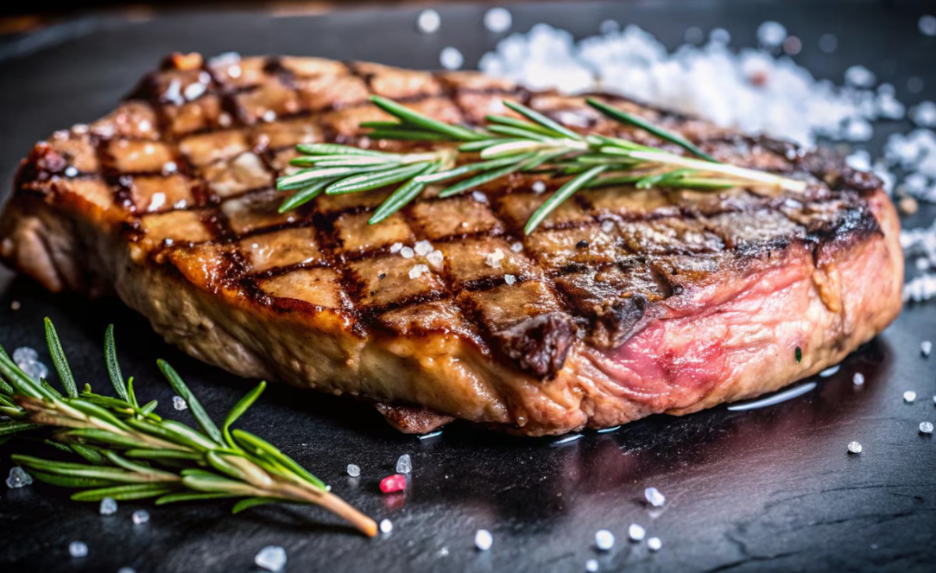
Seasoning in refined steak service is intentional rather than excessive. Salt adds the natural richness, pepper and light spices add taste without concealing the identity of the beef. A delicate addition of butter or herb components can be made to aid aroma and mouthfeel.
In addition, contrast plays a role. Acidity from a side garnish or light sauce balances richness and cleanses the palate between bites. The texture contrast also plays a role, as crisp or fresh ingredients help balance richness. The gradual addition of flavors instead of adding them simultaneously can ensure clarity.
Moreover, the details, like finishing touches, like a final seasoning adjustment right before serving, make the steak taste vibrant. Such a flavor structure ensures every element enhances the overall taste rather than taking up the center stage or overwhelming the primary cut.
4. Complementary Side Integration
Sides in a gourmet steak setting serve a purpose beyond filling space on the plate. Grilled vegetables add charred notes that pair well with fire-cooked meat, while creamy textures like mashed roots provide contrast. Crisp elements introduce variety, preventing the meal from feeling heavy.
Portion control also matters. Balanced plating ensures the steak remains central while sides enhance, not overwhelm. Seasonal produce often improves freshness and flavor alignment. Starch, vegetables, and sauces should support rather than duplicate flavors already present in the steak.
Temperature contrast can also elevate the experience, since warm components alongside lightly crisp or fresh elements keep each bite interesting. When flavors and textures are coordinated, the meal feels complete, structured, and thoughtfully designed instead of random, repetitive, or overloaded.
5. Dining Environment and Service Timing
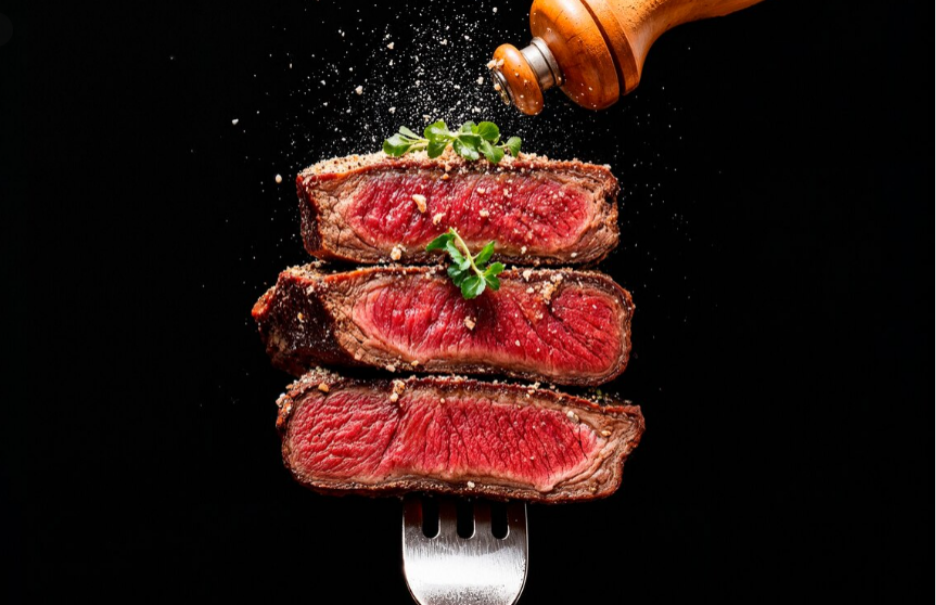
A gourmet steak experience extends beyond the plate. Presentation highlights the cut without clutter, allowing color and texture to stand out. Proper slicing reveals the internal cooking level, while clean plating adds visual clarity.
Service timing supports quality as well. Steak must reach the table at optimal temperature, and the pacing of courses should feel smooth rather than rushed. Lighting, table spacing, and attentive but unobtrusive service influence comfort. Even plate warmth can affect perception of temperature and taste.
Consistency in service also matters, since steady attention without interruption allows you to focus on the meal. When food, atmosphere, and service work together, the result feels refined, comfortable, and memorable from start to finish.
Bottomline
A truly gourmet steak dinner comes from coordination across every stage of preparation and service. Premium cuts create the foundation, yet controlled heat preserves texture and juiciness. Balanced seasoning supports natural flavor, while structured sides add contrast and completeness. Meanwhile, careful presentation and timing ensure the steak is enjoyed at its best.
When these elements align, the meal feels polished, satisfying, and worthy of a special occasion. Understanding these principles helps you recognize quality and choose dining experiences that deliver more than just a piece of meat on a plate.