

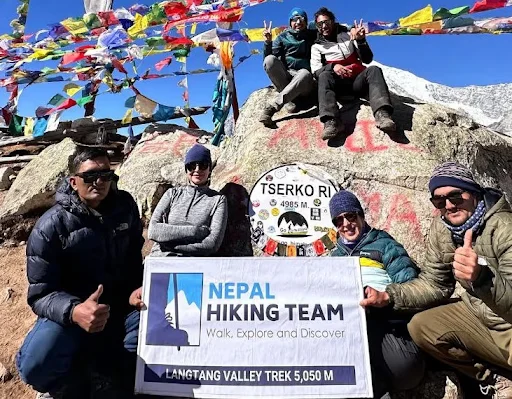
High in the Himalayas, beyond noise, beyond rush, there is a valley where mountains speak very softly. The air feels lighter, thoughts become slower, and the heart somehow learns a new rhythm. This is the story of the Langtang Valley Trek, one of the most beautiful and emotionally rich journeys a traveler can ever experience in Nepal. Unlike crowded trails, this region gives a different feeling. Less chaos, more nature. Less distraction, more connection. Here walking is not only movement of legs; it is movement of mind also.
Where Mountains and Culture Live Together
The valley rests inside Langtang National Park, a land of forests, glaciers, and wide Himalayan skies. But this place is not only about scenery. It is the home of Tamang communities whose traditions carry deep Tibetan influence. Villages sit quietly under giant peaks. Stone houses, prayer flags, spinning wheels, smiling faces. Everything feels simple but deeply meaningful. Life moves slowly here yet feels complete. Travelers are often surprised how culture and nature blend so naturally. Nothing feels forced. Nothing feels tourist-made. It is real mountain life.
The Journey Begins in Kathmandu
Adventure starts from Kathmandu, a city of temples, traffic, colors, and ancient stories. Leaving behind busy streets, the road journey carries you toward Syabrubesi, the gateway to the mountains. The road is sometimes rough, sometimes smooth, but the views are always changing. Hills, rivers, terraces, and small settlements. Slowly the urban world disappears. The mountain world begins. Excitement builds not loudly, but quietly.
First Steps Into Forest and Fresh Air
The trail begins gently. Paths weave through bamboo forests, oak trees, and waterfalls that fall like silver threads from cliffs. The sound of the river becomes a constant companion. Walking here feels peaceful but alive. Birds singing. Wind whispering. Boots touching earth with a steady rhythm. Every turn brings a new scene. Every climb reveals a new horizon. The body may feel effort, but the mind feels refreshed. This is where many trekkers realize the Langtang Valley Trek is not only a physical challenge. It becomes an emotional experience.
Villages That Tell Stories Without Words
As altitude rises, villages appear like calm islands in the mountain sea. Lama Hotel, Langtang Village, Kyanjin Gompa—each place carries its own quiet charm. Children playing. Elders sitting in the sun. Yaks grazing slowly. Prayer flags dance with wind. There is warmth here that no luxury hotel can copy. Hospitality feels genuine. Smiles feel honest. Tea houses provide comfort that feels earned. Simple meals taste extraordinary after a long day of walking.
Mountains That Command Respect
The Langtang region is dominated by powerful peaks—Langtang Lirung standing like silent guardians and snow-covered ridges stretching endlessly. These mountains do not scream for attention. They stand with quiet authority. Morning light paints peaks in gold. Evening shadows wrap them in mystery. Clouds move like slow theater. Trekkers often stop without reason. Not because I’m tired, but because beauty asks for a pause.
Kyanjin Gompa: A Place of Stillness
Reaching Kyanjin Gompa feels like entering a sacred world. Surrounded by glaciers and towering summits, this village carries a spiritual calm that words struggle to describe. The air is thin, the sky is deep blue, and silence is profound. Here you can hike to higher viewpoints, explore yak cheese factories, or simply sit and absorb vastness. Many travelers say this place changes something inside them. Thoughts become clearer. Worries feel smaller.
Why This Trek Feels Different
Some journeys are entertaining. Some journeys impress. But this one transforms.
The trail offers balance—not extremely easy, not brutally hard. Suitable for many who carry moderate fitness and strong curiosity.
What makes it unique is the combination:
- Dramatic mountain landscapes
- Deep cultural encounters
- Less crowded trails
- Emotional quietness
This is not a race. This is the relationship with mountains.
Best Seasons for the Experience
Timing matters greatly in Himalayan trekking.
Spring (March–May)
Forests bloom with rhododendron colors. The weather is mostly stable. The views are clear and bright.
Autumn (September–November)
Perhaps most popular. Crisp skies, sharp mountain views, and comfortable temperatures.
Winter is possible but cold and intense. The monsoon is beautiful yet wet and cloudy.
Choosing a season shapes the entire feeling of the journey.
The Human Side of the Trail
Trekking here is not only about mountains. It is about people you meet. Guides sharing stories. Porters carrying loads with strength and humility. Fellow trekkers from distant lands becoming temporary family. Conversations happen naturally. Friendships form unexpectedly. Moments become memories long before the journey ends.
Choosing the Right Support Matters
While independent trekking is possible, many travelers find guided experiences more enriching and less stressful. An experienced company understands routes, safety, logistics, and cultural sensitivity. A good guide does not only lead a trail but also opens up an understanding of the region. For those seeking reliable organization and deep local knowledge, many travelers appreciate the service offered by the Nepal Hiking Team. Their experience often reflects professionalism, safety awareness, and warm hospitality. Selecting the right team can shape the entire adventure quality.
Planning and Preparation
Even moderate treks require thoughtful preparation.
Physical Readiness
Regular walking, light cardio, and stamina building. No extreme athlete is needed, but basic endurance is helpful.
Mental Approach
Flexibility, patience, and openness. Mountains teach humility.
Packing Essentials
- Comfortable trekking boots
- Warm layered clothing
- Rain protection
- Personal medications
- Positive mindset
Overpacking burdens the body. Underpacking burdens comfort.
Balance is always key.
Accommodation and Food Along the Way
Tea houses provide simple yet welcoming stays. Rooms are basic but cozy. Blankets are warm. Atmosphere-friendly.
Meals are nourishing and satisfying:
- Dal Bhat (energy powerhouse)
- Noodles, soups, rice dishes
- Tea, coffee, hot lemon
The taste of food feels richer in mountain air. Hunger becomes honest.
Comfort becomes gratitude.
Emotional Rewards Beyond Expectation
Many trekkers begin their journey expecting scenery. They return carrying something deeper.
Confidence grows quietly. Perspective shifts gently. Appreciation for simplicity expands naturally.
There is strange joy in walking slowly, breathing deeply, living minimally.
This trek does not shout lessons. It whispers to them.
A Trail of Reflection and Renewal
Walking day after day creates a rhythm, almost meditative. Steps steady. Breathe consistently. My mind gradually declutters. Modern life is filled with urgency. Here urgency dissolves. Mountains have ancient patience. They share this patience with those willing to listen.
For Whom This Journey Is Perfect
This adventure suits many travelers:
- Nature lovers
- Cultural explorers
- First-time Himalayan trekkers
- Experienced hikers seeking quieter routes
- Photographers chasing dramatic landscapes
It is not about age. It is about attitude.
Curiosity and respect open every door.
Considering Your Travel Options
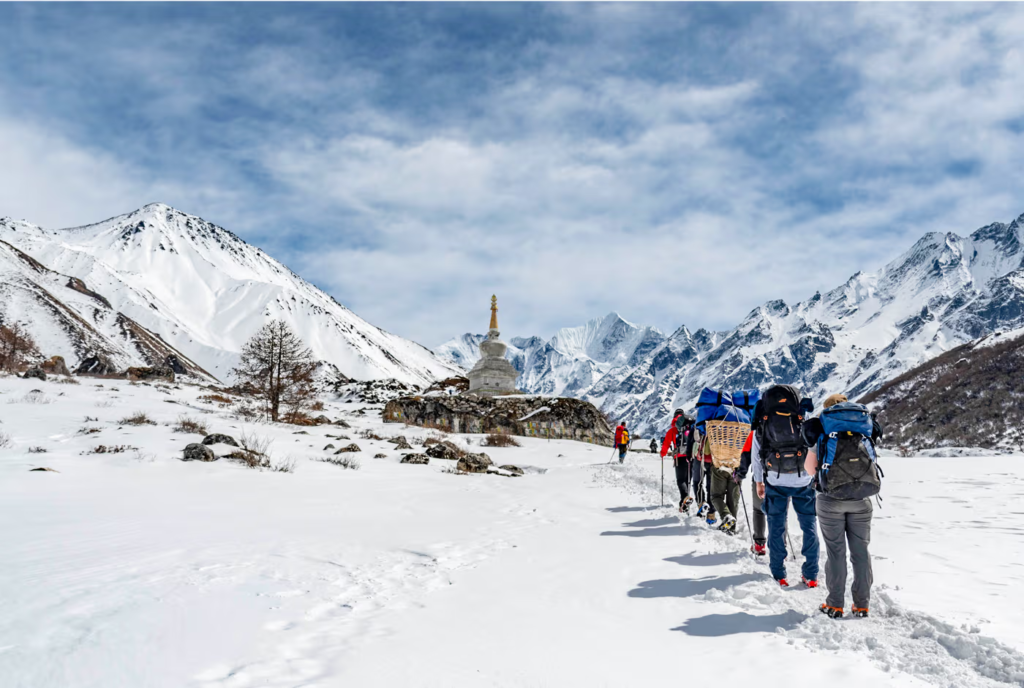
When planning a Himalayan adventure, travelers often seek structured options that balance safety with comfort. With Nepal Hiking Team, many choose a professionally guided Langtang Valley trekking package where permits, accommodation, experienced guides, and daily logistics are handled with care and precision. Transportation, teahouse coordination, and acclimatization planning are managed efficiently, ensuring a smooth journey from arrival to departure.
This thoughtful organization removes uncertainty from the trail. Trekkers can fully immerse themselves in Langtang’s alpine landscapes and Tamang culture rather than focusing on operational details. With Nepal Hiking Team overseeing every stage, peace of mind becomes a natural part of the experience.
The Lasting Impact of the Mountains
Journeys end physically but remain mentally. Even long after returning home, memories revisit quietly—the sound of the river, cold morning air, and prayer flags moving against the blue sky. Mountains leave imprints not easily erased. Perhaps this is why many travelers describe the Langtang Valley Trek not simply as a trip but as a chapter of life.
Final Thoughts: A Walk Worth Taking
Some destinations impress the camera. Some destinations impress the ego. But few destinations impress the soul. The Langtang region offers a rare combination of beauty, authenticity, and emotional depth. It is a journey where scenery amazes the eyes, culture warms the heart, and silence refreshes the mind. In a world growing louder every year, such places become more precious, more meaningful, and more necessary. And sometimes, the greatest adventure is not discovering new landscapes but discovering a quieter version of oneself.