

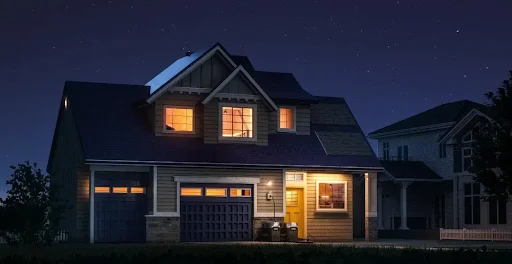
The tension between energy security and aesthetic preservation is a common dilemma for modern homeowners. Installing backup power systems often conjures images of industrial boxes scarring pristine lawns, discouraging many from taking the plunge.
Fortunately, advancements in technology have bridged the gap between functional utility and beautiful landscape design. You no longer need to sacrifice your curated flower beds or serene patio space to ensure electricity during a blackout. With careful planning, energy resilience and outdoor beauty can coexist.
The Aesthetic Cost of Old Power
Traditional standby generators are notoriously invasive machines that demand significant infrastructure changes to your property. They require large concrete pads that permanently alter the visual flow of your yard and often sit conspicuously in open spaces. The visual impact is jarring, turning a green oasis into a utility zone.
Beyond the visual blight, the installation process itself is destructive to established landscaping features. Heavy machinery is often required to position the unit, crushing grass and compacting soil along the access route. Trenching for natural gas lines can sever root systems of beloved trees, leading to long-term plant health issues.
Noise Pollution Issues
The auditory impact of a combustion engine is an invisible landscape killer that ruins outdoor tranquility. You cannot enjoy a peaceful evening in your garden if a whole home generator is roaring during its weekly test cycle. This noise pollution effectively shrinks your usable outdoor living space, regardless of how well hidden the unit is visually.
Choosing the Right Technology
The type of backup system you choose dictates the level of intrusion required for installation in your garden. Battery-based systems offer a distinct advantage because they produce zero local emissions, unlike their fossil fuel counterparts. This allows for flexible placement closer to the home, minimizing the need for extensive trenching across your yard.
A modern battery whole home generator is compact and sleek compared to its combustion predecessors. Its operation is silent, preserving the acoustic environment of your garden sanctuary. You can install it on a patio or side yard without it dominating the sensory experience of the space.
Footprint Considerations
Size matters when trying to hide utility equipment among your plantings without creating a dense jungle. Vertical designs occupy less square footage, leaving more ground for your hydrangeas or walkways. A smaller physical footprint means you have more creative freedom to mask the unit with simple hardscaping or vegetation.
Strategic Placement Techniques
Finding the perfect location is an art that balances technical requirements with effective visual concealment. The goal is to make the equipment invisible from key vantage points like the kitchen window or the deck. Utilizing “dead zones” around your property, such as the area behind the air conditioning unit, is highly effective.
Service accessibility is the only constraint you must respect when hiding the unit behind screens or plants. Technicians need room to work, so ensure your screening methods are movable or spaced correctly. A permanent brick wall might look good, but a hinged wooden lattice offers both camouflage and instant access.
Using Green Screens
Living barriers are the most natural way to soften the edges of technological hardware in a garden. Tall grasses or evergreen shrubs can form a dense visual shield that changes beautifully with the seasons. Select non-invasive species that won’t overgrow the unit and restrict necessary airflow for cooling the whole home generator.
Non-Destructive Installation Methods
How the cables get from the generator to your main panel determines the damage to your lawn. Direct burial of conduits is standard but often requires digging a trench across the entire yard. Directional boring is a trenchless alternative that slides pipes under the grass without disturbing the surface.
If trenching is unavoidable, carefully remove the sod in strips and place it on tarps nearby. This keeps the grass clean and allows for immediate replacement once the conduit is laid in the ground. With proper watering, the “scar” across your lawn can vanish within two weeks of the installation.
- Conduit Routing: Run pipes along the foundation or existing hardscape edges to minimize digging in open turf areas.
- Surface Mounting: In some cases, conduit can be run neatly along the exterior wall, avoiding ground disturbance entirely.
- Wireless Monitoring: Choose systems that use Wi-Fi for data, eliminating the need to trench a separate communication cable.
Analyzing the Power Interface
When evaluating a whole home generator for your property, consider the physical “interface” points needed. These include the transfer switch, the sub-panel, and the fuel source connection point on your exterior wall. Minimizing the distance between these points reduces the construction impact on your property significantly.
A battery whole home generator eliminates the most disruptive interface of all: the gas line connection. There is no need to tear up your driveway or garden to lay pipes for natural gas or propane. This single factor makes electric solutions the superior choice for preserving mature landscapes and intricate hardscaping.
Integrating Solar Panels Artistically
Generating your own power often requires solar arrays, which can be difficult to hide in a traditional garden. However, they can be treated as architectural elements rather than just utilitarian eyesores. Ground-mounted arrays can serve as the roof structure for a new pergola or garden shed, adding functionality to the form.
If roof mounting is the only option, choose low-profile black-on-black panels that blend with your shingles. Symmetry and alignment with roof edges are critical for a polished, intentional look. A sloppy layout draws the eye negatively, while a precise grid looks like a high-tech upgrade to the home.
- Dual-Purpose Structures: Use solar carports or patio covers to generate power while creating shade for vehicles or seating.
- Hidden Wiring: Ensure all conduit runs from the roof are routed through the attic, not down the exterior wall.
- Landscaping Borders: Plant low hedges around ground mounts to hide the racking system while leaving panels exposed.