

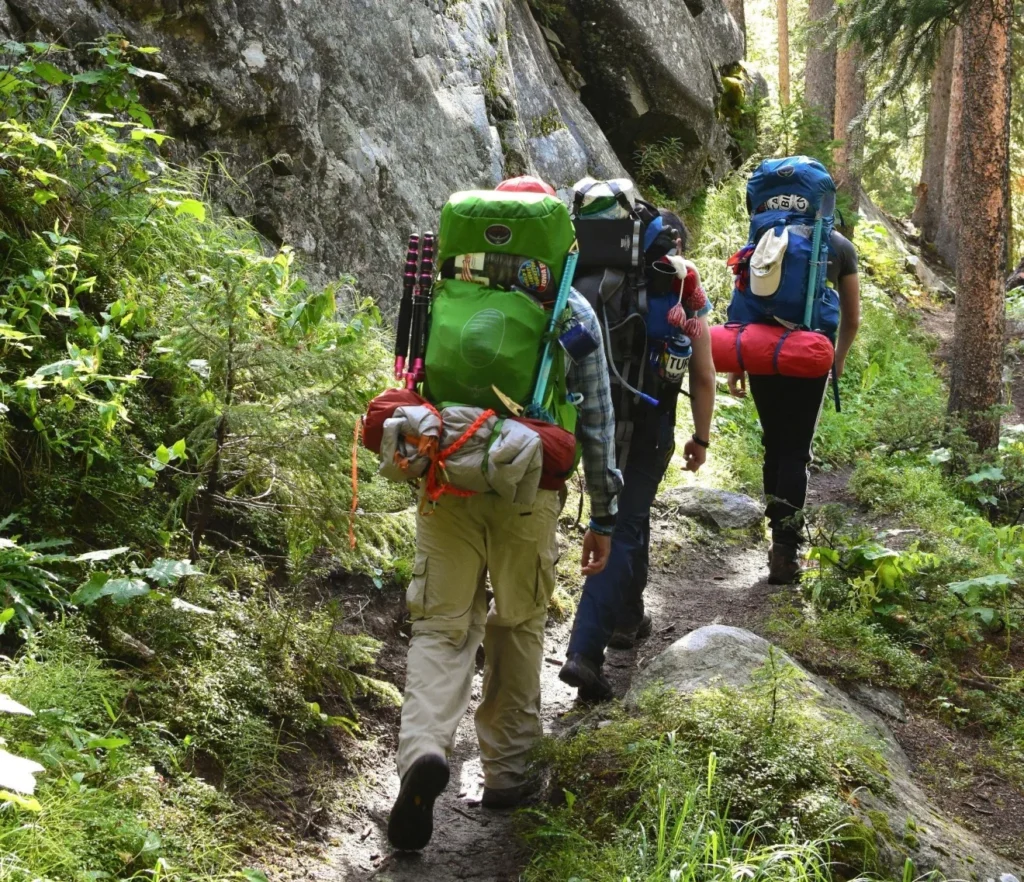
Cook Forest is a destination that changes character throughout the year, offering something different in every season. From quiet spring trails to colorful autumn landscapes, each time of year brings its own rhythm and set of experiences. Understanding what to expect season by season can help travelers plan a visit that matches their interests and travel style.
Spring in Cook Forest
As winter fades, Cook Forest begins to wake up with fresh greenery and flowing streams.
Wildflowers, Waterfalls, and Mild Hiking Weather
Spring is an ideal time for hiking, as temperatures are generally mild and the forest floor fills with early wildflowers. Melting snow feeds creeks and small waterfalls, making trail walks especially scenic. The softer light and emerging leaves create a calm atmosphere that appeals to visitors who enjoy quiet exploration.
What to Expect from Crowds and Trail Conditions
Compared to summer and fall, spring tends to be less busy. Trails may be muddy after rain, so sturdy footwear is helpful, but the lower number of visitors allows for a more relaxed experience.
Summer Adventures in Cook Forest
Summer brings longer days and warmer weather, making it one of the most active seasons in the area.
Paddling, Swimming, and Forest Shade
The Clarion River becomes a popular spot for canoeing and kayaking, offering a refreshing way to enjoy the outdoors. Dense tree cover along many trails provides shade, making midday hikes more comfortable even on warmer days.
Ideal Activities for Families and Longer Stays
Summer is well suited for extended visits, especially for families. Picnic areas, easy-access trails, and nearby attractions allow visitors to spread activities across several days without feeling rushed.
Fall Colors and Scenic Views
Autumn is known for its dramatic transformation of the forest landscape.
Peak Foliage and Photography Spots
As temperatures cool, the trees shift to shades of gold, orange, and deep red. Scenic overlooks, riverside paths, and elevated viewpoints become popular for photography and leisurely walks.
Cooler Temperatures and Peaceful Trails
Fall weather is comfortable for hiking, and while foliage season draws visitors, early mornings and weekdays still offer peaceful moments in the forest.
Winter in a Quiet Forest Setting
Winter turns Cook Forest into a quiet retreat, appealing to travelers who enjoy stillness and seasonal scenery.
Snowy Landscapes and Cold-Weather Activities
Snow-covered trails and frozen streams create a completely different visual experience. Depending on conditions, visitors may enjoy snowshoeing or simply walking through the hushed forest.
What’s Open and How to Prepare
Some services operate on limited schedules in winter, so planning ahead is important. Warm layers and weather-appropriate gear make exploring more comfortable during colder months.
Where to Stay for Each Season
Choosing accommodations close to the forest makes it easier to enjoy each season fully.
Staying Close to Cook Forest Year-Round
Being nearby allows travelers to adjust plans based on weather and daylight. Comfortable lodging with privacy and natural surroundings is especially appealing for those looking for places to stay near the area that feel connected to the forest rather than far removed from it.
Choosing the Right Type of Accommodation by Season
In warmer months, outdoor spaces and easy trail access are often priorities. During colder seasons, features like well-insulated interiors and quiet settings add to the overall experience.
Tips for Planning a Seasonal Visit
A bit of preparation can help visitors make the most of their time, no matter when they arrive.
What to Pack Depending on the Time of Year
Layered clothing works well in spring and fall, while summer visitors may want water gear and sun protection. Winter travelers should be ready for snow and colder temperatures.
Making the Most of a Multi-Season Trip
Returning in different seasons offers a fresh perspective each time. Cook Forest’s changing landscape ensures that no two visits feel exactly the same.