

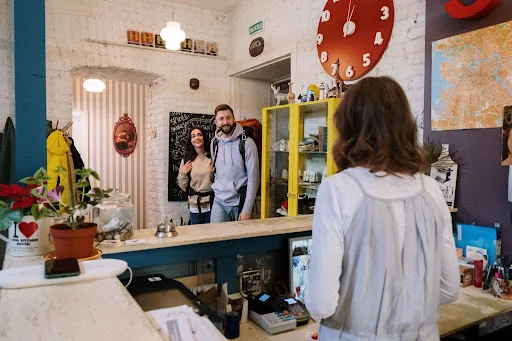
A business traveler lands in a new city with a packed schedule ahead. Meetings are lined up, emails are waiting, and every hour feels accounted for. By the third day, the work is done earlier than expected. Instead of rushing to the airport, they extend their stay. A walk through the city replaces the next flight. Dinner turns into a relaxed evening rather than a quick stop between commitments. What started as a business trip quietly shifts into something more personal.
This blend of work and leisure is no longer an exception. It has become a clear travel pattern shaping the hospitality industry. Modern travelers do not separate business and personal time as strictly as they once did. They expect both to coexist within the same journey. As a result, hotels are adapting in increasingly practical and flexible ways.
The Rise of Bleisure Travel
Bleisure travel refers to combining business travel with leisure time before, during, or after professional commitments. It reflects a broader shift in how people work and move. Remote work, flexible schedules, and digital connectivity have changed how time is structured during travel.
Business trips are no longer limited to conference rooms and airport transfers. Travelers now look for opportunities to experience a destination beyond work obligations. A short city break added to a work trip has become a normal extension of professional travel rather than a rare decision.
This shift is not just lifestyle-driven. It is also strategic. Companies increasingly recognize that allowing employees to extend trips can improve satisfaction without significantly increasing travel costs. A fixed flight already covers the journey. Extending the stay often only adds accommodation and personal time.
Why Bleisure Travel Is Growing
Several forces are driving the growth of bleisure travel.
Work structures have changed significantly. Hybrid and remote work models have made professionals more comfortable managing tasks from different locations. A hotel room is no longer just a place to sleep between meetings. It has become a functional workspace.
Travel policies have also evolved. Many organizations now allow flexible return dates, especially for international or multi-day business trips. This flexibility opens space for personal time without disrupting work responsibilities.
At the same time, expectations around travel have shifted. Professionals want more from their time away. A trip is no longer seen purely as a duty. It is also an opportunity to experience a new place, even briefly.
How Hotels Are Adapting to the New Travel Behavior
The hospitality industry has responded to this shift with noticeable changes in design and service. Hotels are no longer built only around short stays or traditional tourism. They now accommodate hybrid travel patterns that combine productivity and relaxation.
Rooms are designed to function as both workspaces and rest spaces. Reliable high-speed internet, comfortable desks, and quiet environments are now standard expectations. At the same time, hotels continue to emphasize comfort, sleep quality, and ease of living.
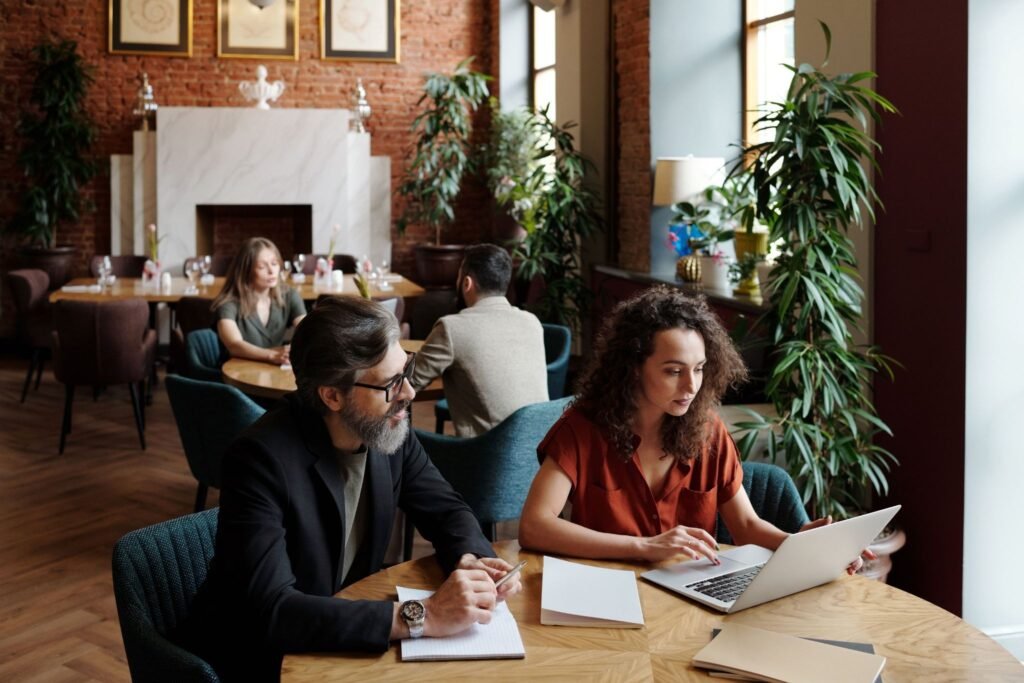
Shared spaces have also evolved. Lobbies are no longer just transitional areas. They often function as informal work zones or meeting points. Restaurants and lounges are designed to serve both quick business meals and relaxed evening experiences.
This balance reflects a broader understanding: travelers don’t switch off work entirely, but they also don’t want to remain fully in work mode throughout their stay.
Marriott’s Role in Shaping Bleisure Experiences
Major hospitality brands have played a key role in supporting this shift. Marriott International stands out as one of the clearest examples.
Across its global portfolio, Marriott has developed properties that align with both business and leisure needs. Business travelers can rely on consistent work-friendly environments, while also having access to amenities that support relaxation once the workday ends.
Comfortable workspaces, strong connectivity, and efficient service systems help professionals stay productive during their stay. At the same time, fitness centers, dining options, and well-located properties encourage guests to explore and unwind beyond work commitments.
What stands out most is the balance. The experience is not divided into “work” and “holiday.” Instead, it allows guests to move naturally between the two.
Why Location Matters in Bleisure Travel
Location plays a critical role in bleisure travel. Business travelers often prioritize proximity to meeting venues, corporate offices, or conference centers. Once work is complete, access to cultural sites, dining, and leisure spaces becomes equally important.
Hotels positioned in central urban areas or near key districts offer this dual advantage. They reduce travel time during work hours while also allowing easy access to local experiences after meetings end.
This balance is essential to the bleisure model. Without it, travelers are forced to choose between convenience and experience. With it, both can coexist in the same trip.
Technology and Flexibility Supporting the Experience
Technology has made bleisure travel more practical. Mobile check-in, digital room access, and in-app service requests reduce friction during stays. Travelers no longer need to structure their day around hotel procedures. Instead, services adapt to their schedule.
This flexibility allows business travelers to extend their stay without logistical stress. A change in departure plans does not require a full reorganization of the trip. Everything can be adjusted with minimal disruption.
Hotels that integrate these systems effectively create a smoother transition between work and leisure. The guest experience feels continuous rather than segmented.
A Shift in How Travel Is Defined
Bleisure travel is changing how people define a business trip. What was once a fixed, work-centered journey is now a flexible experience that includes personal time by default.
This does not replace traditional business travel. Instead, it expands it. The same trip can now serve multiple purposes without increasing complexity. Work gets completed, but the destination is also experienced.
Hotels now sit at the center of this shift. They are no longer passive spaces where travelers simply stay. They are active environments that support productivity, comfort, and exploration within the same framework.
Conclusion
Bleisure travel reflects a broader change in how people approach work and time. The boundaries between professional and personal life are no longer rigid during travel, and hospitality brands are adapting to this reality.
Marriott’s approach highlights how hotels can support this evolution by offering environments that balance efficiency with comfort. From business-ready rooms to leisure-friendly locations, the focus is on enabling a complete travel experience rather than a single-purpose stay.
As travel continues to evolve, the most successful hospitality experiences will be those that allow guests to work, rest, and explore without friction. Bleisure travel is not just a trend. It is becoming a standard expectation, reshaping how hotels are designed and how journeys are experienced.