


Business travel is no longer just about short trips and quick meetings. Many professionals now spend weeks away from home, moving between cities, projects, and clients. During these long stays, productivity becomes a real challenge. New environments, disrupted routines, and constant travel can easily affect focus and performance.
This is where the right approach to hotel living makes a difference. A well-structured stay can help business travelers stay organized, efficient, and mentally balanced even while on the move. In this article, we’ll explore practical ways to stay productive during long hotel stays and how smart choices in accommodation can support your daily workflow.
Create a Stable Daily Routine
Long hotel stays can easily feel unstructured. Without a fixed routine, days start blending together, and productivity drops. Small tasks begin to feel overwhelming, which can make your stay more stressful over time.
Start by setting a consistent schedule. Wake up at the same time every day, plan your work hours, and keep your breaks predictable. A simple routine gives your day direction and reduces mental stress. It also helps you maintain a sense of normality, even when you are away from home.
When your schedule is stable, your mind adapts faster, and you stay focused even in a temporary environment. Over time, these small habits create a more balanced and comfortable daily routine.
Choose a Work-Friendly Hotel Environment
Not every hotel is designed for long-term productivity. Business travelers need more than just a bed, they need a functional space that supports both work and relaxation.
Look for hotels that offer:
- Dedicated work desks
- Reliable high-speed internet
- Quiet surroundings
- Comfortable seating areas
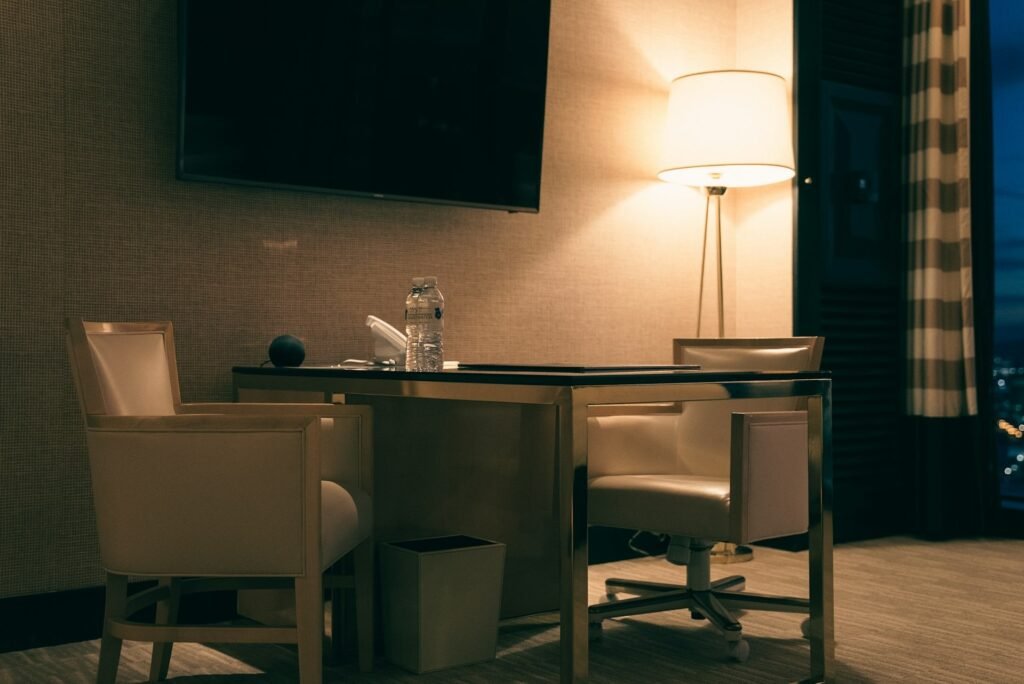
These features make daily tasks easier and help you maintain focus throughout your stay. A comfortable and organized environment also reduces distractions, which improves both productivity and mental comfort.
Brands like Marriott International focus on business-friendly environments that support both work and rest. This balance helps travelers stay productive without feeling exhausted.
Organize Your Workspace
Your hotel room becomes your temporary office, so keeping it organized is important. A clean and structured space helps you stay focused and makes your daily routine feel more manageable.
Avoid clutter on your desk. Keep only essential items like your laptop, notebook, and charger. A clean workspace improves focus, reduces distractions, and helps you work more efficiently for longer periods.
Even small changes, like proper lighting, neat storage, and a comfortable seating setup, can make your work hours more productive. When your environment feels organized and comfortable, it becomes easier to stay motivated and maintain a better work routine throughout your stay.
Manage Time Effectively
Time management becomes even more important during long stays. Without structure, work can easily stretch into personal time.
Break your day into focused work blocks. Use short breaks to reset your energy. Avoid mixing work with leisure in the same hours.
This separation helps you stay productive during work periods and relaxed during downtime.
Maintain Healthy Habits
Travel often disrupts healthy routines, but maintaining basic habits is essential for productivity and overall well-being. When your routine becomes unhealthy, your energy drops, your focus weakens, and daily tasks start to feel more exhausting.
Try to:
- Eat balanced meals
- Stay hydrated
- Take short walks or light exercise
- Get proper sleep

These simple habits help your body and mind stay active during long or busy stays. They also reduce stress and improve your ability to stay focused throughout the day.
When your body feels stable, your focus and energy naturally improve. A healthy routine also helps you adjust faster to temporary environments and maintain a better work–life balance while traveling.
Stay Connected and Flexible
Long hotel stays can sometimes feel isolating. Staying connected with your team, clients, or family helps maintain balance.
At the same time, flexibility is important. Work environments may change, meetings may shift, and travel plans may adjust. Adapting quickly keeps stress under control.
Conclusion
Long business stays don’t have to reduce productivity. With the right structure, environment, and habits, they can actually become highly efficient periods of focused work.
The key is to build a routine, choose a supportive hotel environment, and maintain balance between work and rest. Well-designed hotels like Marriott International help make this easier by offering comfort, stability, and work-friendly spaces.

When your environment supports your goals, staying productive on the road becomes not just possible, but consistent.