

If your long term disability (LTD) claim has been denied, the idea of “suing your insurance company” can feel overwhelming. Many people picture a stressful trial, with witnesses, cross‑examinations, and a judge deciding their fate.
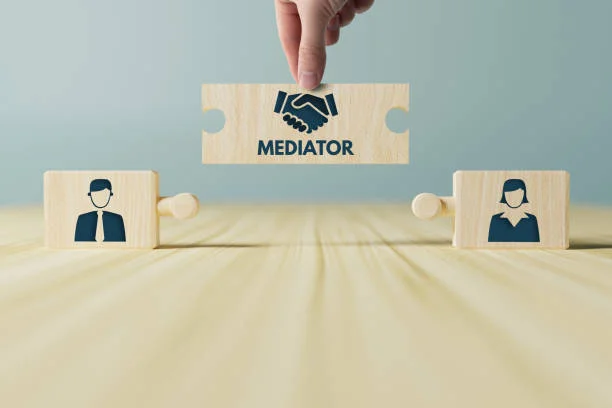
In reality, most LTD lawsuits in Canada never go to trial. The vast majority are resolved at a mediation—a structured settlement meeting where you, your lawyer, and the insurance company try to reach an agreement with the help of a neutral mediator. Understanding what actually happens at mediation can make the process feel far less intimidating and help you prepare.
What is mediation in an LTD case?
Mediation is a confidential, out‑of‑court meeting where both sides work with an independent mediator to try to settle your case. The mediator is usually an experienced lawyer or former judge with expertise in disability and insurance law.
Mediation is:
- Neutral: The mediator does not take sides or make a binding decision.
- Confidential: What’s discussed generally can’t be used later in court if the case doesn’t settle.
- Focused on resolution: The goal is to find a number and terms everyone can live with, not to decide who is “right” in a formal judgment.
Because mediation is faster, more private, and less expensive than trial, insurers and claimants both have strong reasons to settle there if they can.
What happens before mediation?
By the time you reach mediation, your legal team has already done a lot of groundwork:
- Filed a lawsuit against the insurance company.
- Exchanged key documents, such as your LTD policy, medical records, and claim file.
- Often conducted examinations for discovery, where both sides answered questions under oath.
In the weeks leading up to mediation, your lawyer will:
- Gather and organize updated medical records and opinions.
- Prepare a detailed “mediation brief” explaining your medical condition, work history, what happened with your claim, and the legal basis for your case.
- Review the insurer’s brief to understand their position and arguments.
You’ll also talk with your lawyer about:
- The strengths and weaknesses of your case.
- A realistic settlement range.
- How lump‑sum settlements work, and how they compare to reinstating monthly benefits.
This preparation means you don’t have to remember every detail on the day. Your main job is to be honest about how your condition affects your life and to consider settlement options with guidance from your lawyer.
Who’s in the room on mediation day?
On the day of mediation, you’ll usually attend (in person or virtually) with:
- You, the claimant.
- Your LTD lawyer.
- A representative of the insurance company (often a claims manager) and their lawyer.
- The mediator.
You will not be in the same room debating all day. Most mediations are conducted using a “shuttle” format:
- Everyone may start together for brief introductions.
- Then each side moves to its own private room.
- The mediator goes back and forth between rooms, carrying offers, counter‑offers, and feedback.
This structure is designed to keep things calmer and less confrontational, which can be especially important when you’re already dealing with pain, fatigue, or mental health challenges.
Will I have to speak?
You are not on the witness stand at mediation. There’s no judge, no jury, and no formal testimony. In some cases, the mediator may ask you to briefly explain how your condition affects you. In other cases, your lawyer may speak on your behalf.
Your lawyer will have already:
- Summarized your medical history and current limitations.
- Explained how the insurer’s decision has impacted your finances, family, and treatment.
- Highlighted key legal issues, such as misapplied definitions of disability, unfair reliance on “paper reviews” by insurer‑hired doctors, or improper use of surveillance.
You can ask your lawyer ahead of time how much you’re likely to speak. If you’re anxious about this, they can structure things so you say as much—or as little—as you’re comfortable with.
How does the negotiation work?
Once everyone understands the issues, the negotiation begins. This typically looks like:
- Your side makes a fair, well‑reasoned opening demand, based on owed past benefits and a fair value for future benefits and risks.
- The insurer responds with an offer that is usually lower than your demand (sometimes significantly lower at the start).
- The mediator shuttles between rooms, sharing numbers, questioning assumptions, and reality‑checking both sides about the strengths and weaknesses of their positions.
Behind the scenes, the mediator’s job is to:
- Help the insurer understand the risk of losing in court—and the potential cost if they do.
- Help you and your lawyer weigh the certainty of a settlement against the time, stress, and risk of continuing litigation.
It’s common for offers to move slowly at first and then accelerate as the day goes on. Many mediations last most of the day, but a large proportion settle before everyone leaves.
What happens if you settle?
If you reach an agreement, the terms are recorded in a written settlement document before mediation ends. In LTD cases, a settlement often includes:
- A lump‑sum payment for past benefits that weren’t paid.
- A lump‑sum amount for some portion of future benefits, in exchange for ending the policy and the lawsuit.
- Sometimes, resolution of related issues like costs, legal fees, and any applicable deductions or offsets.
Your lawyer will walk you through:
- The tax and financial implications.
- How the settlement affects any ongoing LTD, CPP‑D, or other benefits.
- Whether the settlement seems reasonable compared to what might happen at trial.
Once you sign, the lawsuit is usually dismissed, and the insurance company arranges payment. You avoid trial, and you can focus on your health and rebuilding your life.
What if you don’t settle?
Not every mediation ends in a settlement. If you and the insurer remain too far apart:
- The mediation ends without an agreement.
- The lawsuit continues toward trial or further negotiations.
- The discussions at mediation generally stay confidential, so they don’t become evidence against you later.
Even when a case doesn’t settle at mediation, the process often narrows the issues and can lead to a settlement later as both sides digest what they’ve learned.
Why most LTD cases settle at mediation
From the insurer’s perspective, mediation:
- Controls risk—they avoid the uncertainty and publicity of trial.
- Keeps their internal decision‑making out of open court.
- Lets them resolve many files efficiently.
From your perspective, mediation:
- Offers a faster path to money you may urgently need.
- Reduces the emotional burden compared to a full trial.
- Gives you more control over the outcome than leaving everything to a judge.
When you have experienced LTD counsel preparing your case and guiding you through the process, mediation becomes less about “fighting alone” and more about using a structured tool to push the insurer toward a fair result.