

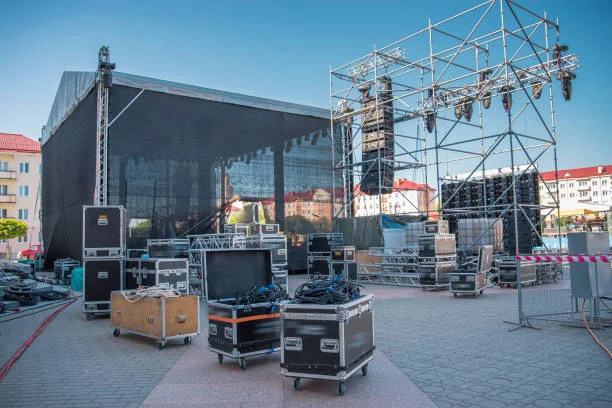
Organizing an outdoor event offers unique opportunities to connect communities and showcase culture in dynamic environments. However, moving from a controlled indoor setting to the open air introduces greater complexity. In this guide, drawing on the realities of producing events in Miami and beyond Outdoor event production, you’ll learn about smart planning, agile coordination, and real-time adaptability needed to ensure a seamless experience.
Why outdoor event production requires a different approach
You might be wondering how an open-air venue changes things, because you still need to manage lighting, sound, equipment, and guest comfort. The answer lies in the unique benefits and drawbacks of the outdoor spaces.
The advantages of open-air venues for events
Outdoor venues provide natural or architectural settings, such as parks, gardens, or historic squares. They definitely add an extra dimension to an event and enhance its atmosphere. These spaces offer greater flexibility for layout and can create a unique, immersive relationship between the audience and the environment. For corporate events, open and vast spaces are often more appropriate than traditional venues.
Unique challenges of outdoor event production
The open air presents variables that indoor venues don’t, including:
- weather exposure;
- uneven terrain;
- a lack of built-in infrastructure like power and water;
- specific local regulations (noise permits, public space occupancy requirements.
Event production teams in Miami must navigate these complexities while managing larger environmental footprints.
Weather planning in outdoor event production
As you already know, outdoor events offer a unique atmosphere and flexibility, but they also come with unpredictable environmental challenges.
Preparing for heat, rain, and wind at outdoor events
Planners must study typical weather patterns for the event date to anticipate needs. For Miami corporate events, this often means preparing for intense heat and humidity with cooling stations and extra hydration for guests. Conversely, winter evening events may need outdoor heaters and blankets. Wind and rain can affect everything from the stability of staging to the comfort of the food service area.
Backup plans, tents, and weather-proof event design
A core rule of outdoor production is to have a backup plan for everything. This involves budgeting for hidden costs like weather-proof tents and ground protection. Professionals ensure that backstage areas and storage for technical equipment, costumes, and props remain protected from the elements.
Outdoor event logistics and infrastructure
From power distribution to staging and audiovisual systems, successful outdoor events depend heavily on reliable technical infrastructure. Here are a few things you should pay special attention to.
Power supply, generators, and cabling for open-air venues
Unlike indoor facilities, outdoor spaces often require temporary power solutions, such as generators and extensive cabling. It’s critical to prepare a stable and sufficient power supply for high-draw equipment like projectors, microphones, and sound systems. Event companies in Miami must factor costs for lighting towers and specialized electrical setups into the initial budget. Remember that underestimating power needs can lead to equipment failures during critical moments.
Staging, lighting, and AV setup for outdoor environments
Technical installations are essential for creating an immersive atmosphere. Sound systems must be high-quality for audio to be clear and audible across large open spaces without disturbing neighboring areas. Lighting serves a dual purpose: it creates the desired mood for the performance while ensuring safety for walkways, entrances, and exits after dark. Proper AV setup in outdoor environments requires accounting for ambient light, background noise, and sight lines that don’t exist in controlled indoor venues.
Guest comfort and experience at outdoor events
Beyond entertainment and visuals, organizers must consider guests’ well-being, accessibility, and smooth movement throughout the venue. Let’s have a closer look at how it must be done.
Shade, seating, and climate considerations
Guest well-being is prioritized by creating environments where people feel cared for. This includes setting up shaded rest zones with benches across the venue to assist those who may struggle with long periods of standing or walking in the heat. Thoughtful placement of amenities like water stations, restrooms, and cooling areas demonstrates attention to detail that guests remember long after the event ends.
Crowd flow, accessibility, and safety planning
Accessibility is both a legal requirement and an inclusive practice. Venues must have wide, flat entry points and ramps for those with mobility challenges. Real-time monitoring of crowd flow helps prevent bottlenecks that can create safety hazards or diminish the guest experience. Providers even develop comprehensive safety plans featuring clear evacuation routes, safety barriers around the stage, and easy access for emergency services. All while maintaining the event’s aesthetic and flow.
The role of professional outdoor event production teams
Managing outdoor event planning yourself is possible, yet it requires a lot of time and energy that you can instead spend enjoying your special event. This is where professional event planning companies come into play.
Managing complex outdoor event logistics
Experienced teams manage the myriad of vendors required for outdoor success, from portable toilet suppliers to cleanup crews. They also handle the legal complexities of permits for noise, food service, and temporary structures. A good event production company in Miami understands local regulations and has established relationships with city officials, making the permitting process smoother and more predictable.
Real-time monitoring and contingency management
Professional teams use technology platforms, such as centralized digital dashboards, to track check-ins and monitor site conditions in real time. This allows for quick decision-making and immediate communication of alerts to staff and attendees via mobile tools. These systems are used to maintain situational awareness across large outdoor spaces where communication can otherwise become fragmented.
Delivering seamless outdoor events despite unpredictable conditions
Expert teams remain calm and flexible when faced with last-minute shifts, such as delivery delays or technical hiccups. By performing final site walkthroughs to catch issues like loose cables or uneven ground, they prevent small problems from escalating into major disruptions.
Let professionals handle the unpredictability of open-air venues
Smart planning and the right technology can mitigate risks during outdoor events. By focusing on infrastructure, guest comfort, and rigorous contingency planning, event production teams can deliver standout experiences. Whether you’re planning beachfront galas or community festivals in public parks, the right partner can turn your outdoor vision into reality without compromising quality or guest experience.