

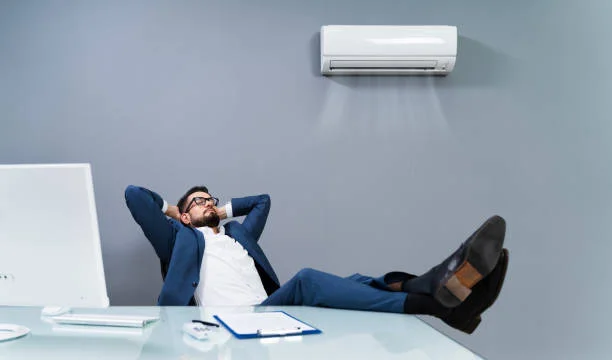
An HVAC system can run exactly as expected and still leave people uncomfortable. Rooms may feel clammy, unevenly warm, or oddly stale, even when the thermostat setting matches the temperature. Homeowners often assume the equipment is failing, but contractors look deeper than whether the unit turns on and off. Comfort depends on airflow balance, humidity control, temperature distribution, and how the system interacts with the building itself. When something feels off, it usually means the system is doing its job mechanically but missing key comfort signals. Understanding how professionals diagnose these situations helps explain why comfort problems can exist without obvious breakdowns.
A System That Works but Doesn’t Feel Right
- Airflow Balance and Hidden Pressure Issues
One of the first areas contractors assess is airflow balance across the home. A system may deliver enough heating or cooling overall but still distribute air unevenly. Duct runs with sharp turns, undersized returns, or leaks in unconditioned spaces can cause certain rooms to feel stagnant while others feel drafty. Even closed interior doors can change pressure relationships enough to affect comfort. During evaluations, technicians often measure pressure differences to see how air is moving rather than just how much air is produced. In many service calls handled by McDevitt Air, comfort complaints trace back to airflow imbalances rather than equipment faults. When air cannot circulate correctly, temperature readings may look fine while occupants still feel discomfort.
- Temperature Stratification Across Living Spaces
Comfort problems often stem from temperature stratification, where warm air collects near ceilings and cooler air settles near floors. This effect is especially noticeable in homes with high ceilings, open stairwells, or older duct layouts. HVAC systems may reach the set temperature quickly, but occupants seated or standing at different heights feel inconsistent conditions. Contractors review the placement of the supply register and the return air locations to determine whether air is mixing properly. Poor mixing can cause the thermostat to turn off early, leaving lived-in areas uncomfortable. Adjusting airflow direction, fan settings, or even thermostat placement can help reduce stratification without changing the equipment itself. This analysis focuses on how heat behaves in real spaces, not just on mechanical output.
- Humidity Levels and Perceived Comfort
Humidity plays a major role in how temperature is perceived. Air that is too moist can feel heavy and warm, while overly dry air can feel cool and irritating even at moderate temperatures. HVAC systems can technically cool or heat air while still failing to manage moisture effectively. Contractors measure indoor humidity to determine whether the system’s runtime, airflow speed, or coil performance is contributing to moisture imbalance. Short cycling, for example, may cool air quickly but not run long enough to remove adequate moisture. When comfort feels off, humidity readings often explain why occupants feel sticky or chilled despite stable thermostat numbers.
- Equipment Sizing and Runtime Behavior
An HVAC system that is improperly sized can function normally yet still undermine comfort. Oversized systems tend to cycle on and off rapidly, leading to uneven temperatures and poor humidity control. Undersized systems may run constantly, creating drafts and temperature swings as they struggle to keep up. Contractors review load calculations to see whether the system capacity matches the home’s current layout and insulation levels. Renovations, added rooms, or upgraded windows can change a home’s thermal profile over time. Comfort complaints frequently reveal sizing mismatches that only become obvious when conditions are closely evaluated rather than assumed.
- Duct Design and Heat Gain or Loss
Ductwork condition has a direct impact on comfort, even when the equipment is operating properly. Leaky ducts can lose conditioned air before it reaches living spaces, while poorly insulated ducts can gain heat in attics or lose warmth in crawlspaces. Contractors inspect duct materials, insulation quality, and routing to see how much air is actually delivered versus produced. A system may work harder than necessary to compensate for these losses, creating temperature swings and inconsistent comfort. Addressing duct issues often improves comfort more noticeably than adjusting the HVAC unit itself because it restores intended airflow performance.
- Building Envelope and External Influences
HVAC comfort is closely tied to the building envelope, including insulation, windows, and air sealing. Contractors assess how outdoor temperatures, sunlight, and drafts affect indoor conditions throughout the day. Rooms with large windows may heat up quickly, while poorly insulated walls can cause rapid heat loss at night. Even a well-functioning system can struggle to maintain consistent comfort when the building shell allows uncontrolled heat transfer. By identifying these influences, technicians can explain why comfort feels off at certain times without pointing to mechanical failure. The goal is understanding how the system interacts with the structure as a whole.
Comfort Is More Than Operation
When an HVAC system works but comfort feels wrong, the issue is rarely simple. Contractors look beyond whether equipment runs and focus on airflow, humidity, sizing, duct performance, and building characteristics. Comfort depends on how all these elements work together in daily conditions, not just on thermostat readings. Addressing comfort concerns often involves adjustments, refinements, or supporting improvements rather than major replacements. By diagnosing how air moves, how moisture behaves, and how the home responds to outdoor conditions, HVAC professionals restore balance. True comfort comes from alignment between system operation and the living environment.