

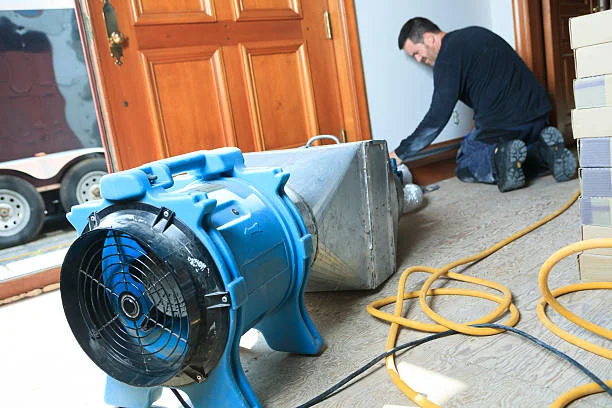
A home addition can feel like a simple expansion of square footage, but when it comes to heating and cooling, it changes the entire environment the system was built to serve. The original equipment and duct design were sized for a smaller footprint, specific room connections, and a predictable airflow route. Once walls move, ceilings rise, or new rooms appear, pressure balances shift, and temperature patterns change. Homeowners often notice it immediately: the new space feels warmer, the old living room turns drafty, or the system runs longer than it used to, affirms Bokani Real Estate Group. HVAC contractors adapt systems for additions by treating the house as one connected network rather than isolating the new room as a standalone zone. Their work blends calculations, airflow planning, and equipment tuning so the addition feels seamlessly integrated with the rest of the home.
Comfort planning for old and new spaces
- Load Calculations That Prevent Long-Term Strain
The first major adjustment contractors make is determining how the addition changes heating and cooling demand. This is not a quick guess based solely on square footage. Contractors evaluate insulation levels, window sizes and orientation, ceiling height, and even how the new space will be used throughout the day. A sun-filled family room with glass doors loads the system differently than a shaded bedroom extension. They also consider how the addition impacts existing rooms, since the HVAC system must now distribute capacity across a larger area. These calculations guide whether the current system can be tuned to handle the change or whether capacity has been pushed beyond a safe operating range. Proper load planning prevents the equipment from running at a constant high output, which can shorten its lifespan and raise utility bills. When the numbers are accurate, comfort becomes consistent rather than dependent on weather or time of day.
- Ductwork Strategy and Airflow Rebalancing
Most comfort problems after an addition come from airflow, not just equipment size. Adding supply runs without rebalancing the rest of the duct system often causes pressure drops, noisy vents, and uneven temperatures in older rooms. Contractors adapt the duct layout by checking trunk-line capacity, branch sizing, and return-air placement. In some homes, the addition requires a new return path to avoid creating a “pressurized” room that fights the rest of the system. In others, the existing returns may need resizing or relocation to ensure proper air circulation. During this stage, contractors also look for hidden issues that were tolerable before but become problematic after expansion, and that is where Furnace repair service may be needed if the heating side shows stress under the new airflow demands. By sealing leaks, reducing restrictions, and balancing supply and return flow, they restore steady circulation across the whole house.
- Zoning Solutions for Different Living Patterns
Additions often create spaces that behave differently from the original home. A bonus room over a garage, a new master suite, or an extended kitchen area can have unique temperature swings due to exposure, insulation differences, or usage schedules. HVAC contractors adapt systems by introducing zoning strategies that control how air is delivered to different areas. This can involve dampers in ductwork, separate thermostats, and control logic that prevents one part of the house from over-conditioning another. The purpose is not to complicate the system, but to align the output with real living patterns. Zoning also reduces the common complaint that one side of the home is always uncomfortable, while the new addition feels fine. When zoning is designed correctly, the system runs in smoother cycles and avoids chasing temperature extremes. This improves comfort while keeping equipment from being overworked by conflicting demands.
- Equipment Decisions: Add-On vs. Upgrade
Not every addition requires replacing the entire HVAC system, but contractors still have to make smart equipment decisions. If the existing unit has sufficient capacity, adaptation may involve tuning, airflow improvements, and control upgrades rather than major replacement. If the unit is already near its limit, contractors may recommend adding supplemental solutions, such as a ductless system, or upgrading to a larger-capacity central system. They consider the age of the equipment, the condition of the ductwork, and the homeowner’s comfort priorities before choosing a path. A ductless option can be effective for additions far from the main trunk lines, while a full upgrade can make sense when the original system is aging and would struggle in the long term. The contractor’s role is to avoid solutions that force the equipment to operate under constant strain, because that typically leads to frequent issues and rising costs over time.
- Controls, Thermostats, and System Behavior
Even when equipment and ducts are adjusted, control behavior can make or break the success of an adapted system. Contractors often upgrade thermostats or control settings so the HVAC system responds more accurately to the new layout. Additions can introduce new temperature gradients, so the old thermostat location might no longer reflect the home’s true comfort. Contractors evaluate whether the thermostat should be relocated, whether remote sensors should be used, or whether control timing needs adjustment to prevent short cycling. They also refine fan settings, staging logic for multi-stage systems, and humidity control where needed. These changes help the system operate smoothly rather than reacting aggressively to small temperature shifts. When controls are tuned properly, the home feels stable, the addition blends into the overall comfort plan, and the system avoids wasteful run patterns that increase wear.
- Managing Structural and Code Requirements
Home additions also create structural and code-related considerations that HVAC contractors must work within. New spaces may require updated ventilation standards, fresh-air intake considerations, or modifications to meet current building codes. Contractors coordinate duct routing around framing, lighting, and ceiling design while maintaining proper clearances and safe installation practices. They also verify electrical capacity for added components, especially if a new air handler, damper system, or supplemental unit is installed. In heating systems, gas line capacity and safe venting routes are carefully reviewed to ensure compliance and safe operation. These practical constraints shape what adaptation methods are realistic. By addressing code and structural realities early, contractors prevent last-minute redesigns that can compromise airflow or comfort. The result is a system that is not only comfortable but also safely integrated into the newly expanded home.
Making the Addition Feel Like It Always Belonged
A successful HVAC adaptation makes the new space feel like a natural part of the house, not a room that is always too hot, too cold, or hard to manage. Contractors achieve this by combining accurate load planning, careful duct design, smart zoning, and refined controls. Instead of relying on temporary fixes, they focus on airflow stability and equipment health to maintain consistent comfort through changing seasons. When done properly, homeowners stop thinking about the HVAC system entirely, because the home simply feels even and predictable. The addition becomes a true extension of daily living, supported by a heating and cooling system that can handle its new responsibilities without running harder than it should.