
Nepal is a land where mountains stand very high and villages stay very calm. People come from far-away countries with small bags and big dreams. They want to walk, breathe cold air, see snowy mountains, and feel life slowly. Among many routes, the Langtang Valley Trek and the 7-Day Annapurna Base Camp Trek are two journeys that touch my heart deeply. These treks are not the same but both give a strong mountain feeling. One is quiet and cultural, and another is classic and dramatic. Walking these trails makes the body tired but the mind is very fresh.
This article talks in detail about the Langtang Valley Trek and the 7-Day Annapurna Base Camp Trek. It explains routes, views, people, culture, difficulty, food, weather, and why many travelers choose these walks again and again. Words are simple, flow is smooth, and feeling is real, like a friend telling a long mountain story by a fire.
Langtang Valley Trek: A Calm Walk Near Big Mountains
Langtang Valley Trek is one of the closest trekking areas to Kathmandu. Still, it feels very far from city life. After a few hours of driving, roads become narrow and hills start rising. The trek goes inside Langtang National Park, where forests are thick and air is fresh. Many trekkers like this route because it is less crowded but very beautiful.
The trail starts from Syabrubesi, a small village with rivers and hills around. From here, walking begins slowly. The path follows the Langtang River, which makes a strong sound and gives cool wind. Forests of bamboo, oak, and pine cover the hills. Sometimes monkeys jump, sometimes birds sing loudly. Walking feels peaceful and safe.
As days pass, villages come like Lama Hotel, Langtang Village, and Kyanjin Gompa. These places are the home of Tamang people. Their culture is rich and simple. Houses are made of stone and wood. Prayer flags fly everywhere. Old monasteries stand quiet, with bells and wheels turning slowly in the wind. People smile easily and offer warm tea.
Langtang Valley was badly hit by an earthquake in 2015. Many villages were destroyed, and many lives were lost. But people rebuilt slowly with a strong heart. Today walking through Langtang also means supporting local families. This gives extra meaning to the trek.
Views and Nature in Langtang Valley
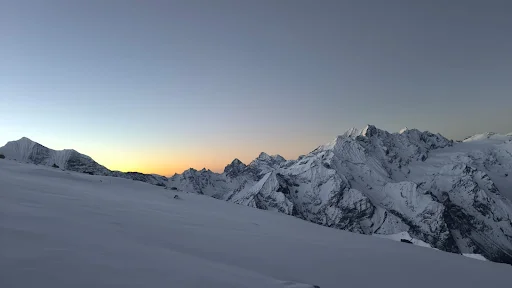
The Langtang Valley Trek is not only about walking; it is about seeing big mountains very close. Langtang Lirung stands tall with white snow, always watching trekkers. Other peaks like Dorje Lakpa, Yala Peak, and Ganesh Himal also show from time to time.
Near Kyanjin Gompa, trekkers often take a rest day. From here, short hikes go to Kyanjin Ri or Tserko Ri. These viewpoints give a wide look of valleys and glaciers. The air is thin, breathing is slow, but the view is worth every step. Ice, rock, and sky mix together in strong silence.
Glaciers near Kyanjin are large and shining. Snow melts into streams that join the river below. Yaks walk slowly, bells ringing softly. Life here moves at different speeds, slower and deeper.
Difficulty and Best Time for Langtang Valley Trek
The Langtang Valley Trek is considered moderate level. It is suitable for beginners who have good fitness. Walking hours are normal, mostly 5 to 7 hours a day. Trails are not very technical, but altitude can make the body tired. The highest point is around 3,870 meters at Kyanjin Gompa, and higher if hiking viewpoints.
The best time to do the Langtang Valley Trek is spring and autumn. Spring brings flowers, especially rhododendrons, making the forest colorful. Autumn gives clear skies and sharp mountain views. Winter is cold but quiet, with snow in higher parts. Summer has rain, leeches, and cloudy views, but the valley looks green and alive.
7 Days Annapurna Base Camp Trek: Short Time, Big Experience
The 7-Day Annapurna Base Camp Trek is perfect for travelers who have limited time but want a strong Himalayan adventure. This trek goes to the heart of Annapurna Sanctuary, surrounded by giant peaks. In just one week, trekkers walk from green hills to snowy base camp.
The journey usually starts from Pokhara, a beautiful lake city. After a short drive, walking begins through villages like Ghandruk or Jhinu. Stone steps go up and down, passing farms, forests, and rivers. Local Gurung and Magar people live here. Their culture is friendly and welcoming.
As the trek goes higher, forests become thick with bamboo and rhododendron. The trail follows the Modi Khola river. Villages like Chhomrong, Bamboo, and Deurali appear one by one. Each day feels different, with changing views and air.
Reaching Annapurna Base Camp
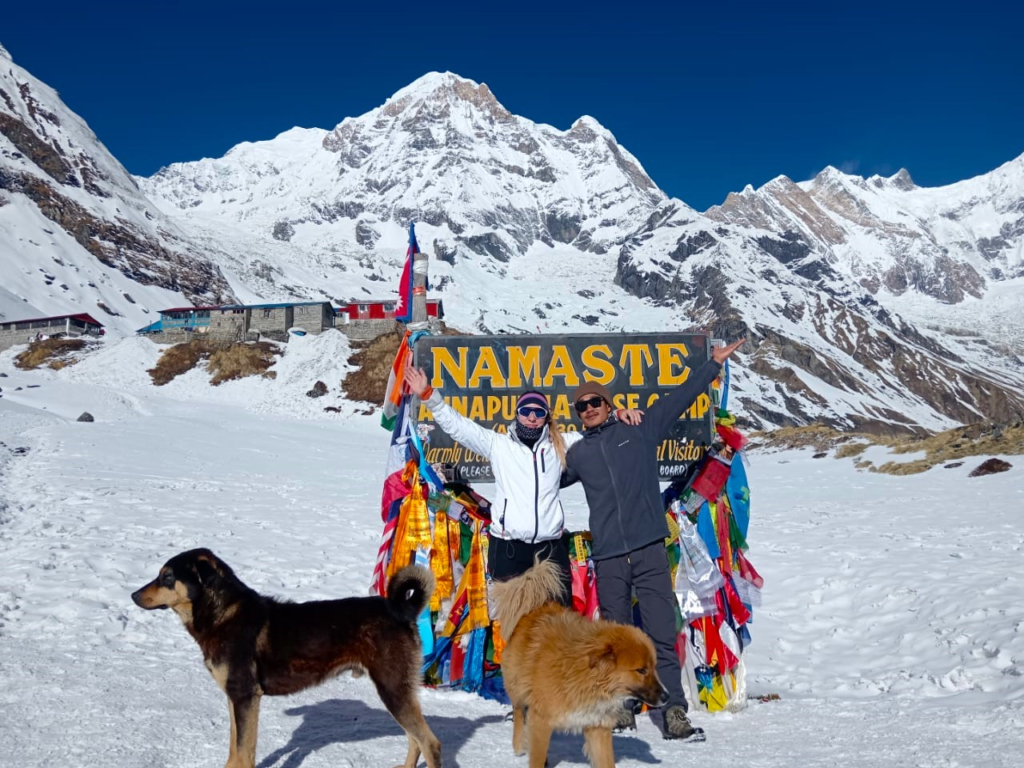
The final destination, Annapurna Base Camp, sits at around 4,130 meters. Reaching here is an emotional moment for many trekkers. Suddenly mountains surround from all sides. Annapurna I, Machapuchare, Hiunchuli, and Annapurna South stand very close and very powerful.
Early mornings at base camp are magical. The sun slowly touches snow peaks and they turn gold and pink. Cold air makes the face numb, but the heart feels warm. Many people sit quietly, some take photos, and some just stare without words.
Machapuchare, also called Fishtail Mountain, is sacred and never climbed. Its sharp shape looks unreal, especially at sunrise. Being in Annapurna Base Camp makes trekkers feel small but alive.
Difficulty and Best Time for 7 Days Annapurna Base Camp Trek
This trek is short but not easy. Daily walking can be long, with many stone steps. Going up and down puts pressure on knees. Altitude also plays a role, especially near base camp. Good fitness is needed, but previous trekking experience is helpful, not necessary.
The best seasons are spring and autumn. Spring gives flowers and fresh air. Autumn gives clear weather and the best mountain views. Winter is cold but possible, with snow at base camp. Summer has rain and slippery trails but fewer crowds.
Food, Accommodation, and Daily Life on Both Treks
Both the Langtang Valley Trek and the 7-Day Annapurna Base Camp Trek use teahouse systems. This means simple lodges with basic rooms and shared toilets. Beds are warm with blankets, but sleeping bags are useful.
Food is similar in both areas. Dal bhat is the main meal, with rice, lentils, vegetables, and sometimes meat. It gives good energy and is refillable in many places. Noodles, soups, momos, pasta, and pancakes are also common. Hot tea like ginger, lemon, or masala helps the body relax after a long walk.
Life on trek is simple. Wake up early, eat breakfast, walk, stop for lunch, walk again, reach the lodge, eat dinner, and sleep early. Phone signals are weak, and the internet is slow. This helps the mind disconnect from the busy world.
Comparing the Langtang Valley Trek and the 7-Day Annapurna Base Camp Trek
Both treks are beautiful but offer different feelings. The Langtang Valley Trek is quieter, less busy, and more cultural. It feels like a slow journey into mountain life. The Annapurna Base Camp Trek is more popular, more dramatic, and very scenic in a short time.
Langtang is closer to Kathmandu and needs less travel. The Annapurna trek needs a Pokhara visit but gives a big mountain amphitheater experience. Langtang is good for those who like peace. Annapurna is good for those who want classic Himalayan pictures.
Why Choose These Treks
People choose the Langtang Valley Trek because it gives real Himalayan village life and close mountain views without too much crowd. It is also good for those who want to support local communities.
People choose the 7-day Annapurna Base Camp Trek because it fits a short holiday and gives a powerful mountain feeling. Standing at base camp surrounded by peaks is a dream for many.
Both treks are safe, well-marked, and supported by local lodges. They show Nepal’s natural beauty and human warmth together.
Packing List for These Treks
Packing should be light but smart. Good shoes are most important. A warm jacket is needed, especially at night. Rain jackets help in changing weather. Comfortable clothes for walking, thermal layers, gloves, hats, and socks are useful.
Other items include a sleeping bag, water bottle, sun cream, sunglasses, basic medicine, headlamp, and small towel. Trekking poles help knees. A camera or phone is good for capturing memories, but eyes should also enjoy moments without a screen.
Conclusion
The Langtang Valley Trek and the 7-Day Annapurna Base Camp Trek are two different paths leading to the same feeling of mountain joy. One is calm and cultural; another is bold and iconic. Both teach patience, strength, and respect for nature. Walking these trails makes people tired in their legs but rich in heart. Nepal’s mountains do not speak with words, but they say many things to those who walk slowly and listen quietly.
Booking Process by Nepal High Trek:
To book any of these treks tours through Nepal High Trek Pvt.Ltd , begin by contacting them via email at info@nepalhightrek.com or phone or WhatsApp at +977-9851142116 to discuss your preferred dates, group size, and specific needs. They will provide a detailed itinerary covering these trek’s duration, highlights, cost, and inclusions such as a guide, porter, meals, accommodation, and transportation.
Prior to the trek, you will receive a comprehensive pre-trek briefing with essential information on packing, fitness preparation, and altitude acclimatization. The agency will finalize all logistical arrangements, including transportation, accommodation, and permits, to ensure everything is in place for your trek. Upon arrival in Nepal, the team will ensure that all aspects of the trek are organized, providing you with a smooth and unforgettable experience on these treks.