

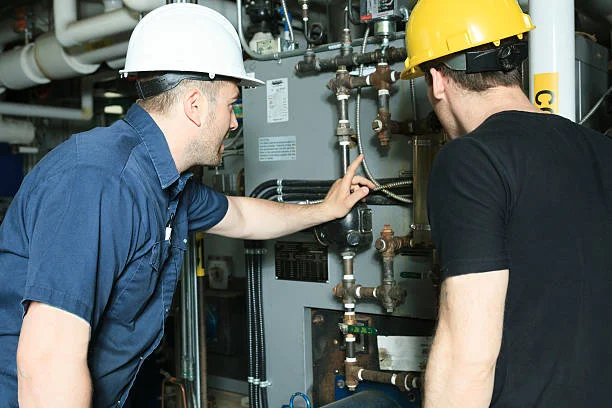
Furnace breakdowns often feel sudden because they usually happen at the worst time—cold weather, late at night, or during a busy week when the home depends on heat. But in many cases, the furnace gives signs of trouble before it stops working. Homeowners may notice longer heating cycles, weak airflow, odd smells at startup, unfamiliar sounds, or rooms that feel colder than usual. These symptoms don’t always mean the unit is close to failure, but they do indicate strain. Furnaces operate under repeated heat stress, airflow demand, and electrical control timing. If airflow becomes restricted or combustion becomes inconsistent, the furnace must work harder, and safety controls may cycle the system off before it can properly heat the home. Preventing furnace breakdowns is less about complicated adjustments and more about keeping the system operating in stable conditions. HVAC contractor tips focus on early detection and simple maintenance that protects burners, blower systems, sensors, and heat exchangers from unnecessary wear. With consistent attention, many common furnace shutdowns can be prevented, keeping heating steady throughout the season.
How Furnace Breakdowns Are Prevented
- Airflow is the First Line of Furnace Protection
Airflow problems are one of the most frequent causes of furnace stress. When warm air cannot move freely through the system, the furnace overheats internally, and safety switches shut off the burners early. Homeowners often notice this as short cycling, where the furnace starts, runs briefly, and turns off before the home reaches the thermostat setting. A clogged filter is the most common airflow restriction and one of the easiest problems to prevent. Filters should be replaced regularly, but the right schedule depends on the home’s dust level, pets, and system runtime. Return vents must remain clear; blocked returns limit airflow, just like dirty filters. Contractors also pay close attention to supply vents, duct restrictions, and closed dampers that prevent heat from traveling evenly. Many breakdown calls begin with overheating caused by airflow restriction, so airflow maintenance is not optional—HVAC contractor tips the foundation of reliable heating. Homeowners who manage airflow properly reduce wear on the blower motor, protect the heat exchanger from repeated overheating cycles, and maintain consistent heating output.
- Combustion and Ignition Problems Develop Slowly
Gas furnaces rely on controlled ignition and a stable flame to produce heat. Ignition problems rarely begin as a complete failure. They usually start as delayed ignition, inconsistent starts, or burner cycling that seems unusual. A dirty flame sensor is a common culprit because it prevents the furnace from detecting the flame. The system then shuts off the gas for safety, resulting in repeated attempts and an eventual shutdown. Igniters can weaken, crack, or fail over time, especially under heavy winter demand. Burners can also collect dust or debris, causing uneven flames that reduce efficiency and increase wear. Homeowners sometimes ignore mild signs such as small rumbling noises at ignition or brief heating interruptions, but these early warnings often lead to bigger problems later. Contractors recommend periodic inspection and cleaning of combustion components to prevent ignition faults from turning into full furnace breakdowns and calling for Furnace repair services the coldest week of winter.
- Reliable Heat Depends on Stability
Furnaces last longer when airflow remains open, ignition stays consistent, and controls operate smoothly. Breakdowns often happen when small stability issues are ignored until safety shutdowns become frequent.
- Electrical Components: Quiet Causes of Sudden Breakdown
Many furnace shutdowns are caused by electrical issues rather than by heating output. Modern furnaces rely on control boards, relays, wiring connections, and sensors. If a connection loosens or a relay begins failing, the stove may operate intermittently. A weak capacitor can reduce blower performance, lowering airflow and causing overheating. Thermostat wiring problems can also create confusing symptoms, such as inconsistent heat calls or furnace starts without proper runtime. HVAC contractor tips electrical issues often present as intermittent problems, making them easy to dismiss. Contractors prevent breakdowns by testing voltage, confirming proper signals from the thermostat to the furnace, and inspecting wiring for heat damage or corrosion. Electrical inspection is especially important in older systems where wiring may be brittle or connections have loosened over time. When electrical stability is confirmed, the furnace cycles more predictably and avoids shutoffs caused by control errors.
- Keeping the Blower and Motor Healthy
The blower system is essential for both comfort and furnace safety. Without strong airflow, the furnace overheats, heating becomes uneven, and safety controls interrupt cycles. Blower wheels can accumulate dust, reducing their airflow efficiency. Motor bearings wear down and may begin to squeal or grind. Belt-driven blowers, in older systems, can slip or weaken. Contractors often check blower speed settings because incorrect speed can reduce airflow and cause overheating. Preventing blower-related breakdowns requires more than changing filters. It also requires periodic inspection and cleaning of blower components and confirmation that airflow matches the furnace’s heating output. A stove may technically ignite and generate heat properly, but if the blower is weak, the system will still struggle and may shut down frequently.
- Duct and Vent Management for Balanced Heating
Homeowners sometimes inadvertently increase furnace stress by closing vents in unused rooms. While this may seem like a smart way to save heat, it often increases system pressure and reduces airflow across the furnace. Higher duct pressure can cause noisy operation, weak airflow, and overheating shutdowns. Contractors recommend keeping vents open enough to allow the system to circulate air as designed. Duct leaks are also important. If ducts leak into attics or crawl spaces, the furnace runs longer to maintain comfort, increasing wear and tear. Sealing ducts and correcting restrictions can reduce runtime and lower the risk of breakdowns. Even simple changes—such as keeping doors open for return airflow or improving air circulation—can improve heating performance and reduce furnace strain.
- Seasonal Tune-Ups: Preventing Problems Before Cold Weather Peaks
A seasonal tune-up is one of the most direct ways to prevent breakdowns. Contractors use tune-ups to clean sensors, test ignition components, inspect safety controls, verify temperature rise, and confirm airflow performance. This helps catch problems early, when repairs are smaller, and scheduling is easier. Tune-ups also help identify safety issues that could become serious, such as combustion problems or venting concerns. A furnace may appear to run fine during mild weather, but as temperatures drop, runtime increases, and any weak component becomes more likely to fail. Contractors often recommend scheduling heating service in early fall so the system is prepared before demand rises.
Preventing Furnace Breakdowns Comes Down to Early Attention
Furnace breakdowns often result from stress that builds slowly—restricted airflow, unstable ignition, weakened electrical controls, dirty blower components, or duct pressure issues. HVAC contractor tips focus on keeping the furnace operating in stable conditions so safety controls don’t shut it down, and components don’t wear out prematurely. Simple habits such as filter changes, return-vent clearance, and vent management protect airflow, while seasonal inspections protect ignition and electrical stability. When homeowners treat the furnace as a system that needs balance rather than a machine that runs until it fails, breakdowns become far less common, and winter comfort becomes much more dependable.