

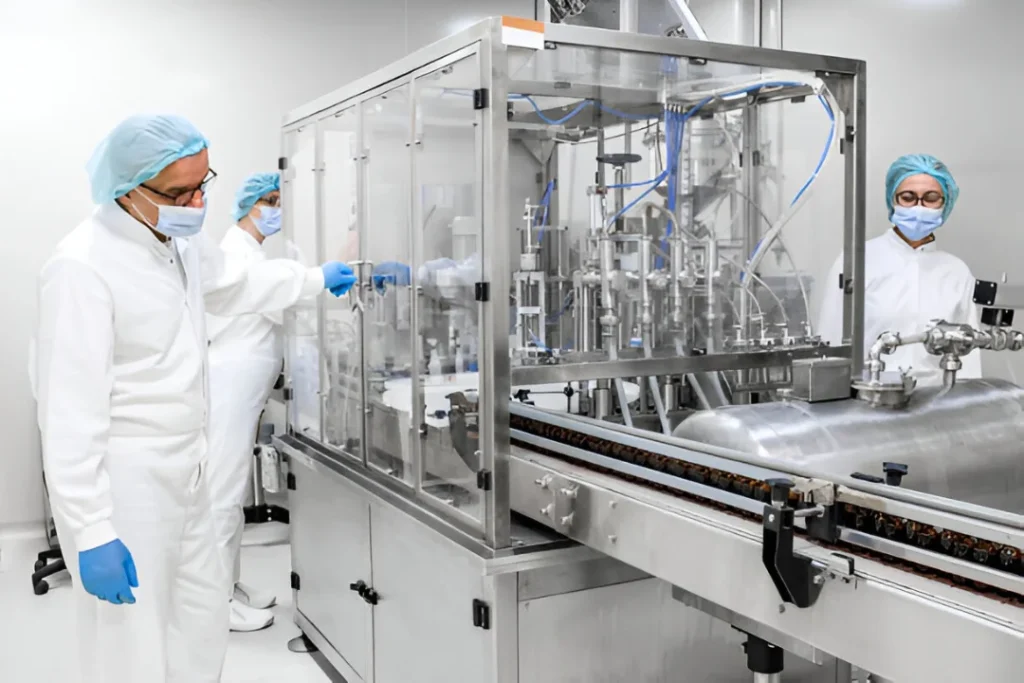
The nutrition and supplement market has grown rapidly in recent years, with brands targeting athletes, busy professionals, students, and health-conscious consumers. Demand for functional products has resulted in a crowded marketplace, where new businesses are constantly vying for attention. Despite this competitive landscape, only a fraction of brands succeed long-term. The difference between brands that scale and those that disappear often has less to do with marketing and more to do with product reliability, manufacturing standards, and customer trust.
While branding plays an important role in first impressions, manufacturing determines whether consumers develop loyalty. This relationship between production quality and reputation has become one of the most influential factors in a brand’s long-term performance.
The Modern Consumer Is More Informed Than Ever
Today’s supplement buyers do not accept vague claims or generic formulas. They are equipped with knowledge, online reviews, and access to information that allows them to make critical comparisons. Consumers frequently research:
- Ingredient lists
- Dosage levels
- Clinical studies
- Certifications
- Allergen information
- Country of origin
The modern supplement buyer is skeptical by nature. They expect clarity, transparency, and performance. This shift in consumer expectations has forced brands to rethink how products are manufactured and how formulas are positioned in the market.
Why Poor Manufacturing Undermines Brand Value
Manufacturing supplements is technically demanding. Small mistakes can affect potency, stability, taste, or safety. Inconsistent products will inevitably lead to customer dissatisfaction, and in a digital age, complaints quickly become public.
Common manufacturing problems include:
- Incorrect ingredient dosage
- Contamination or allergens
- Unpleasant flavor or texture
- Label inaccuracies
- Reduced shelf stability
These issues may seem technical, but they can create immediate business consequences. Poor quality control can result in:
- Refund requests
- Regulatory warnings
- Negative reviews
- Distributor rejection
- Loss of retail partnerships
If a product fails to meet consumer expectations, marketing efforts cannot compensate for the damage that follows.
Quality Manufacturing as a Competitive Strategy
Brands that invest in rigorous manufacturing practices outperform those that treat production as a cost. Quality manufacturing requires:
- Ingredient verification
- Controlled formulation procedures
- Finished product testing
- Documentation and traceability
- Regulatory compliance
Professional facilities implement structured processes because they recognize quality consistency as an economic advantage.
A reliable product increases retention, improves reputation, and reduces operational risk. In a subscription-friendly industry such as supplements, retention is the foundation of profitability.
Private Label Manufacturing as a Growth Model
A growing number of supplement brands are built through private label manufacturing partnerships. Instead of building factories, hiring scientific staff, or managing compliance systems, brands collaborate with facilities that specialize in formulation and production.
This model offers several benefits:
Faster Market Entry
Products can launch in months, not years.
Lower Financial Barriers
No need to build infrastructure or purchase specialized machinery.
Professional Oversight
Manufacturing, testing, and compliance are managed by experienced specialists.
Access to Established Formulas
Ready-to-commercialize formulations reduce development risk.
Partnering with a professional private label supplement factory allows companies to focus resources on branding, sales, and distribution rather than operational complexity.
The Shift Toward Customization and Niche Formulations
Generic supplements still exist, but niche-specific products are driving much of the industry’s growth. Brands are investing in formulations tailored to specific demographics, functional needs, and lifestyle groups.
Examples include:
- Adaptogens for stress management
- Nootropics for focus and cognition
- Beauty-from-within products
- Plant-based sports supplements
- Sleep and mood support solutions
- Prebiotic and probiotic blends
Customization demands specialized knowledge in:
- Ingredient compatibility
- Bioavailability
- Stability
- Sensory experience
- Regulatory compliance
Professionally engineered formulations can help brands differentiate beyond packaging or price.
Regulatory Compliance Is Foundational to Survival
Many early-stage brands underestimate regulatory responsibilities. Even when formulas are safe, labeling mistakes can result in penalties. Regulatory oversight covers:
- Ingredient disclosure
- Dosage representation
- Allergen identification
- Health claims
- Manufacturing standards
Professional manufacturers adopt compliance systems to ensure products can be sold legally in various markets. This includes managing certifications, maintaining supplier documentation, and implementing quality audits.
Compliance is not a marketing asset; it is essential infrastructure.
Ingredient Sourcing and Supply Chain Integrity
The value of a supplement is determined by the quality of its raw materials. Ingredient sourcing is influenced by:
- Origin
- Purity
- Potency
- Environmental exposure
- Ethical practices
Poor sourcing increases risk of contamination or variability. Manufacturers with established supply networks reduce that risk by working with vetted suppliers, verified certificates of analysis, and documented procurement procedures.
Supply chain reliability has become even more important as global ingredient markets experience volatility.
Technology and Innovation in Manufacturing
Manufacturing technology has advanced significantly, allowing facilities to deliver products with higher performance and fewer additives. Notable innovations include:
- Microencapsulation for improved absorption
- Plant-based capsule alternatives
- Enhanced flavor delivery systems
- Stabilization techniques to preserve potency
Innovation influences consumer experience. Better absorption results in better outcomes, while cleaner ingredients support transparency and trust.
Brands that partner with technologically advanced manufacturers are better equipped to compete in premium product categories without excessive cost increases.
Scalability and Operational Efficiency
Rapid growth can overwhelm a supplement brand if manufacturing capacity is limited. Facilities that support scalability help brands avoid inventory shortages, production delays, and unmet demand.
Key scalability factors include:
- Adjustable batch sizes
- Inventory management systems
- Consistent lead times
- Access to additional production lines
A reliable manufacturing strategy enables sustainable growth rather than reactive management.
Working with a capable private label supplement factory provides operational support that aligns manufacturing capacity with business expansion.
Reputation Is Built Through Results, Not Messaging
In supplements, brand reputation is determined by results rather than claims. Consumers evaluate:
- Whether a product worked
- Whether it tasted acceptable
- Whether it caused side effects
- Whether it was consistent each time
When a supplement becomes part of a daily routine, customers continue purchasing without marketing persuasion. When it fails, marketing cannot repair the negative experience.
Manufacturing determines whether a product supports or destroys brand reputation.
Why Long-Term Partnerships Matter
Manufacturing partnerships are not transactional. They represent operational alignment between business objectives and production capabilities.
Some facilities, such as Jiabei Supplement, adopt a collaborative approach by working with brands across concept development, formulation, testing, and scaling. This strategic partnership model helps convert early-stage ideas into commercially viable products with long-term potential.
Final Thoughts
The supplement industry rewards brands that deliver reliable, effective, and safe products, not just attractive branding. Manufacturing strategy influences retention rates, reputation, compliance, profitability, and scalability.
Entrepreneurs do not need to become manufacturing experts to enter the market. By working with an experienced private label supplement factory, brands can avoid operational risk and focus on product positioning, customer experience, and strategic growth.
The brands that succeed will not be those that spend the most on advertising, but those that maintain trust through consistent quality.